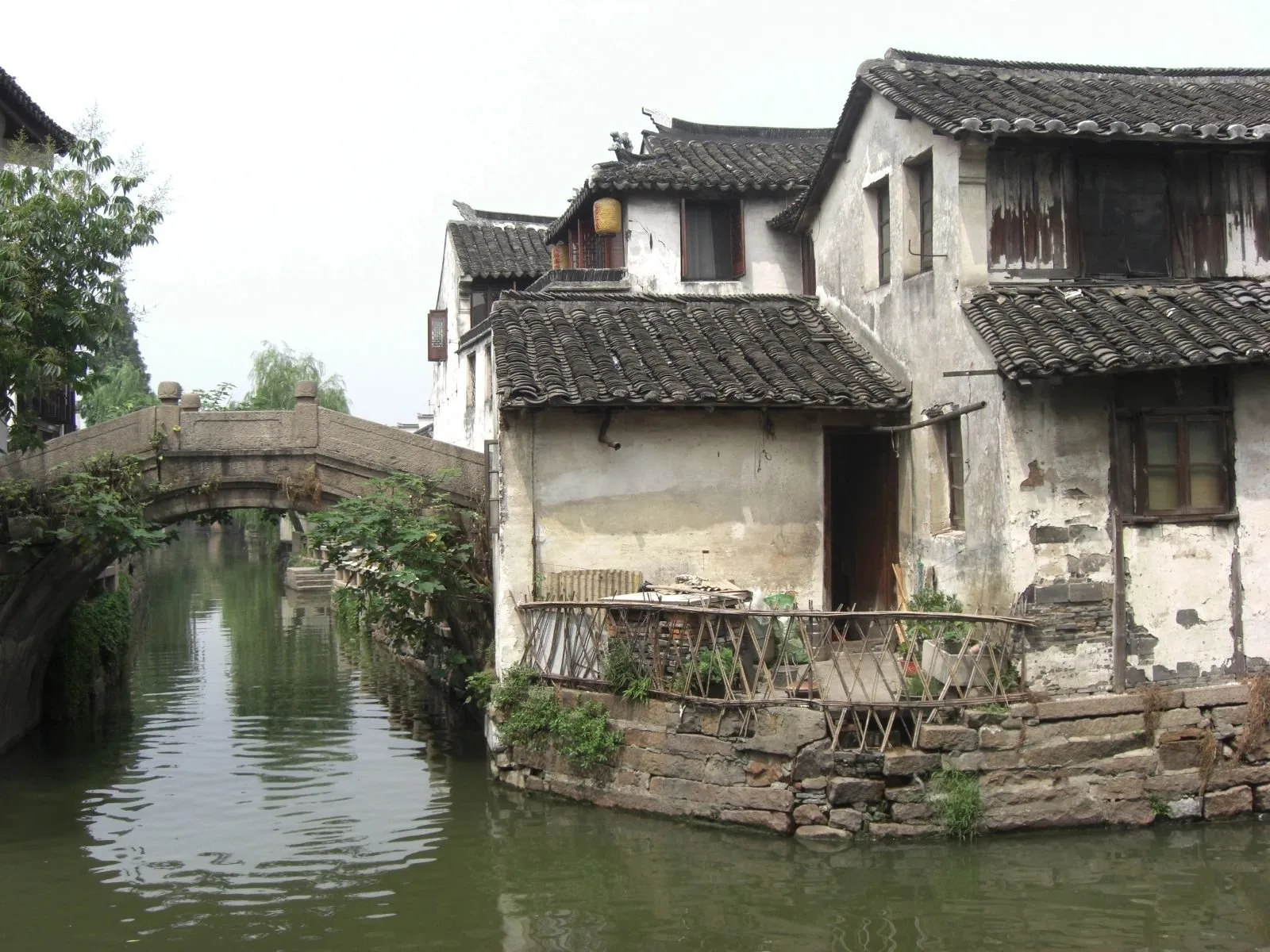
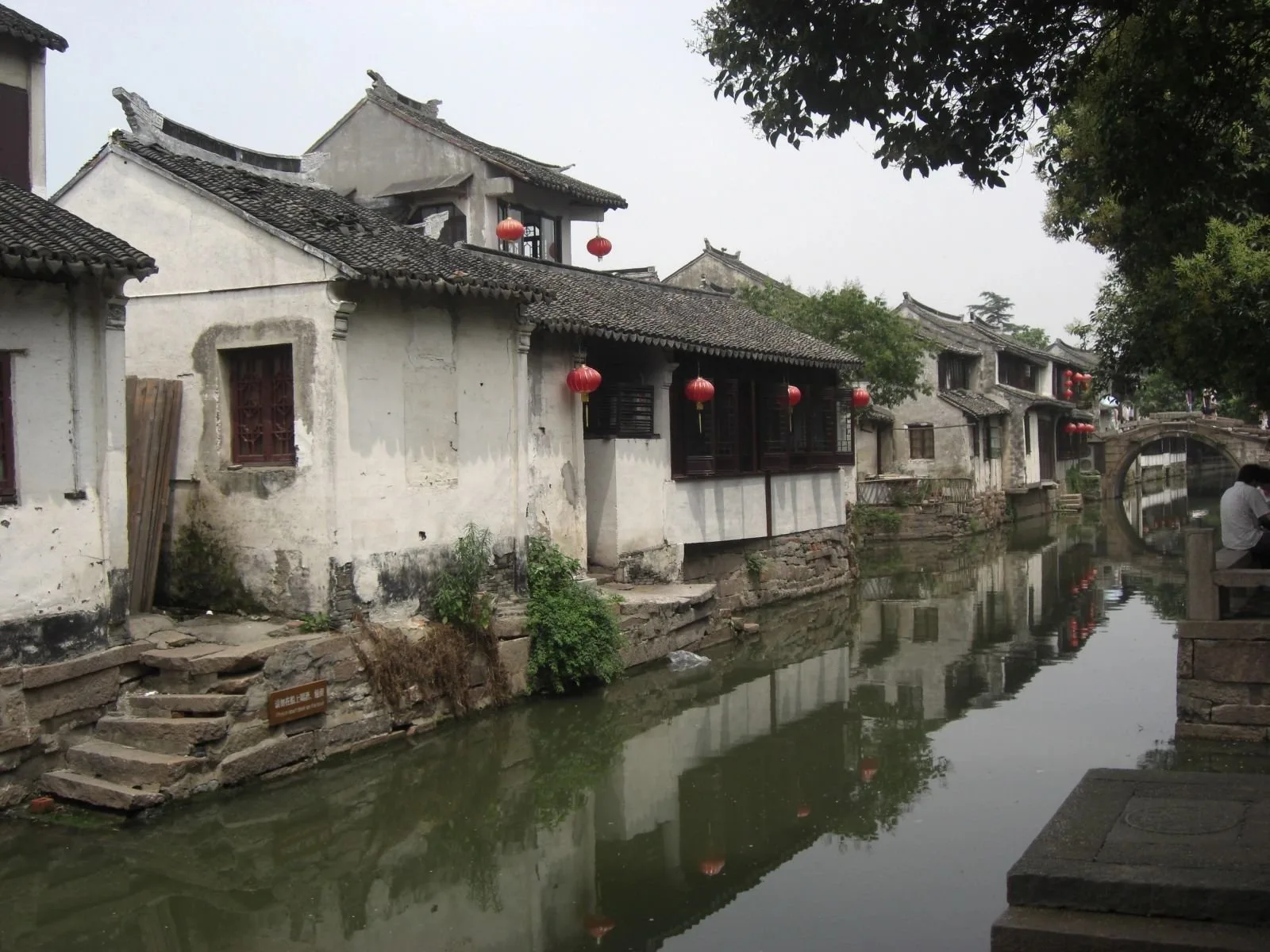
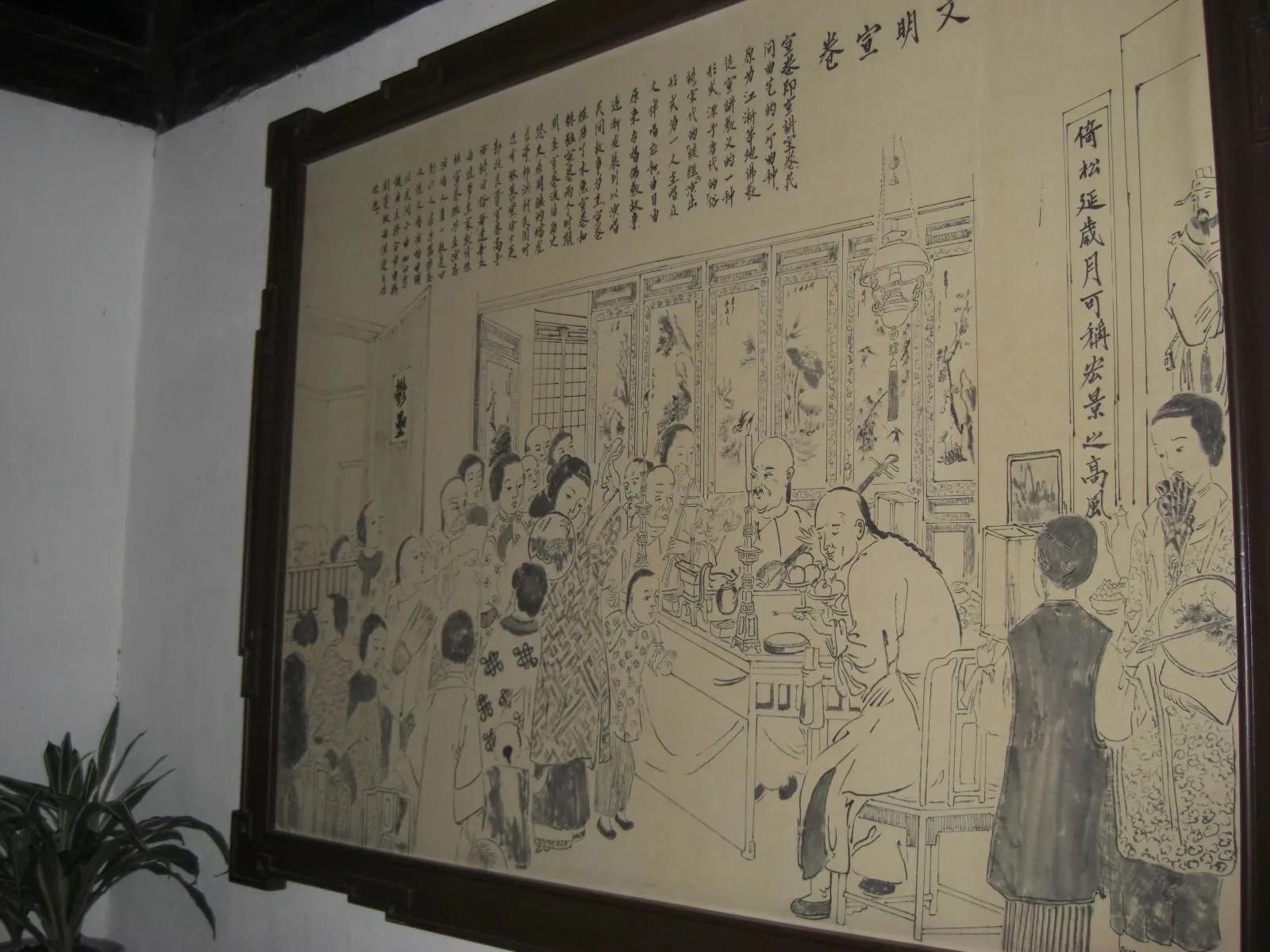
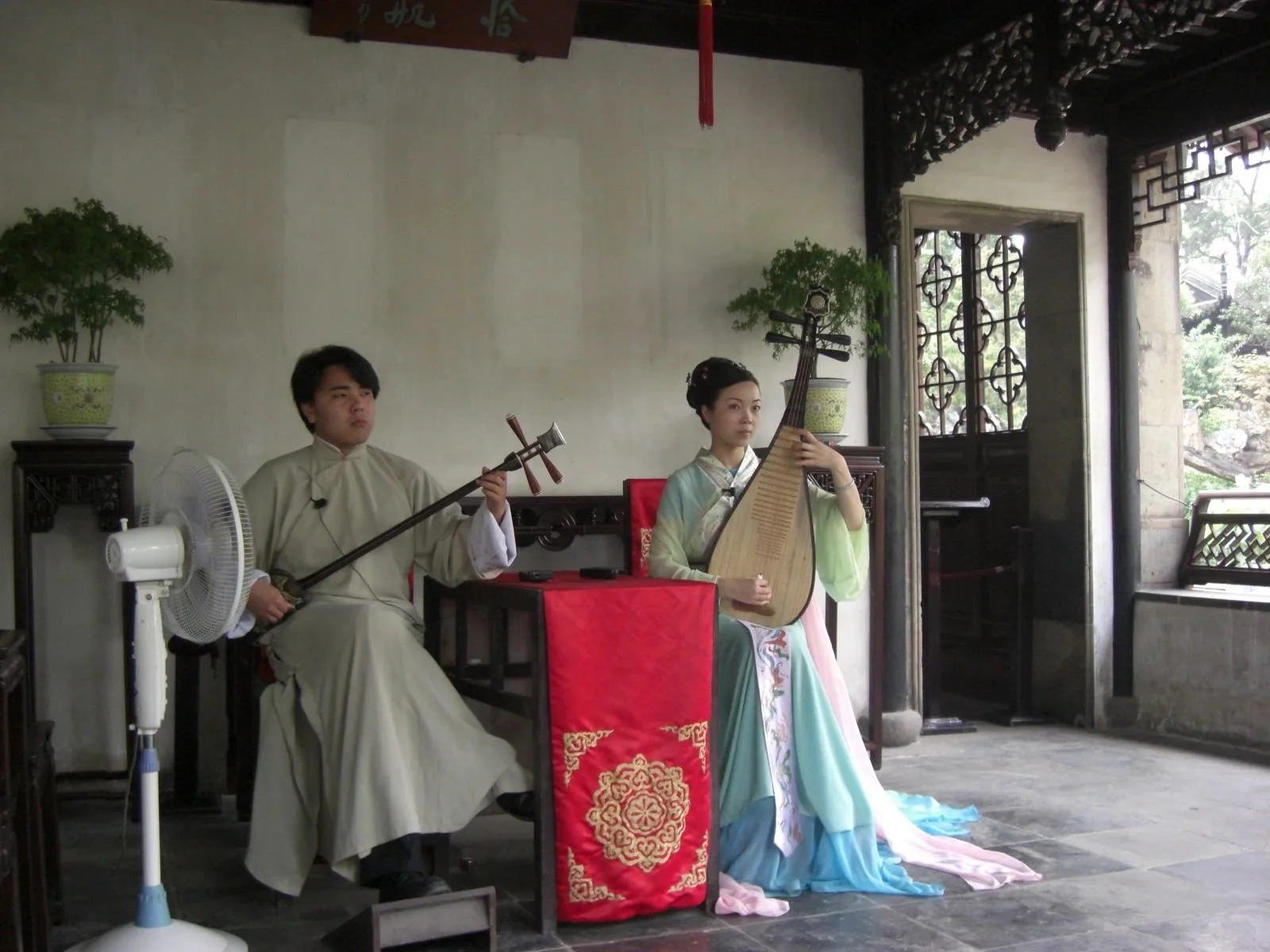
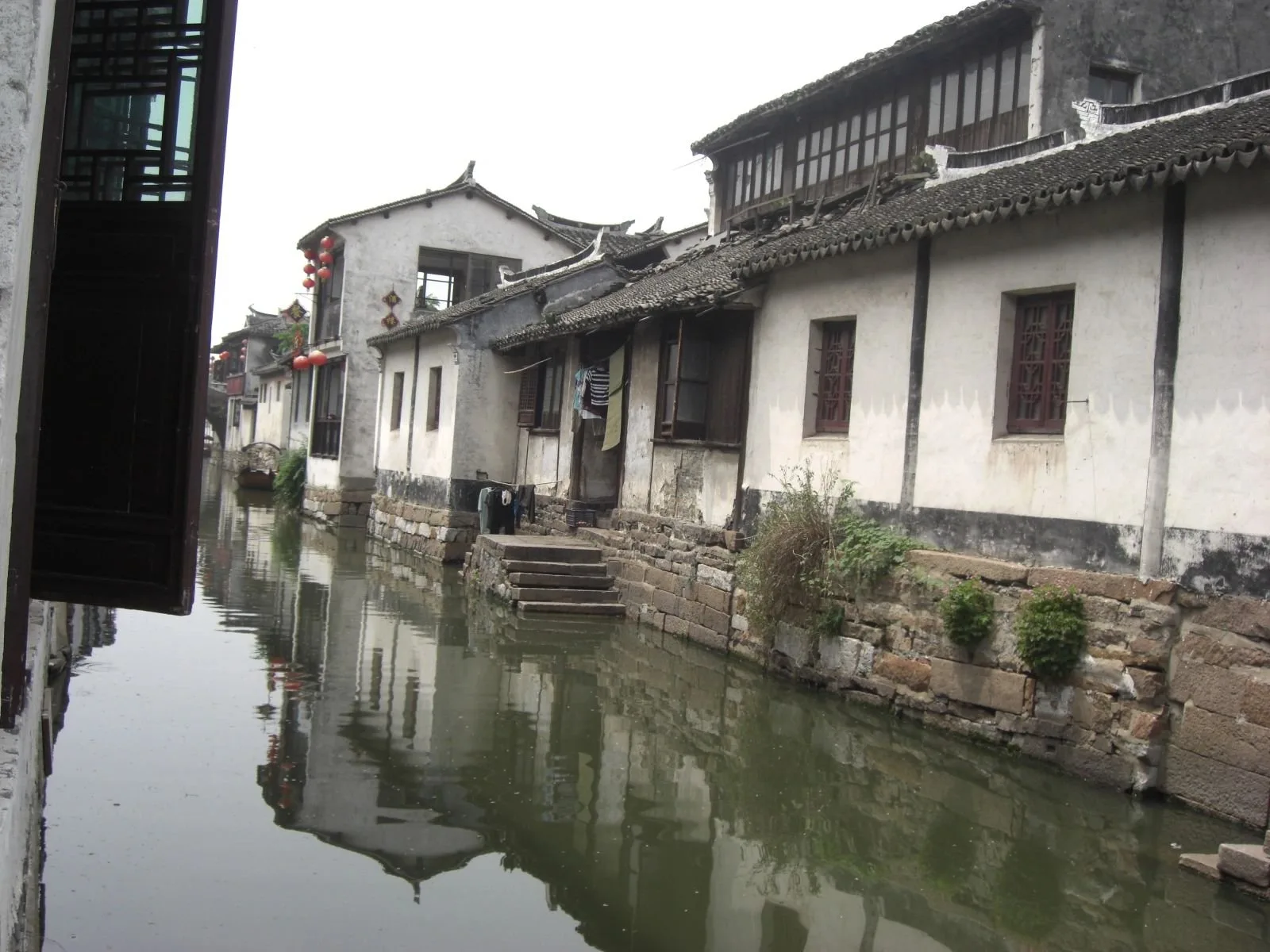
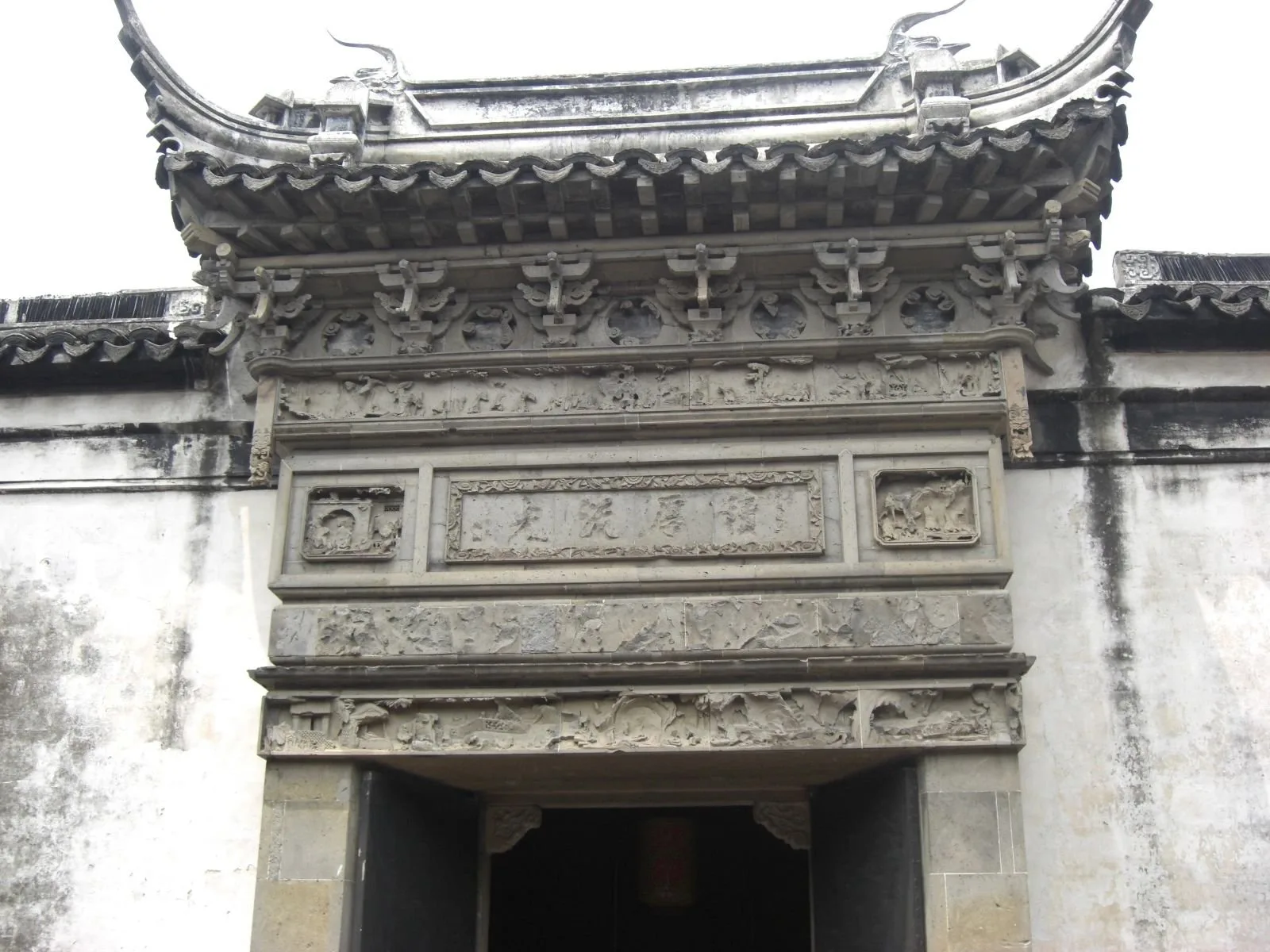
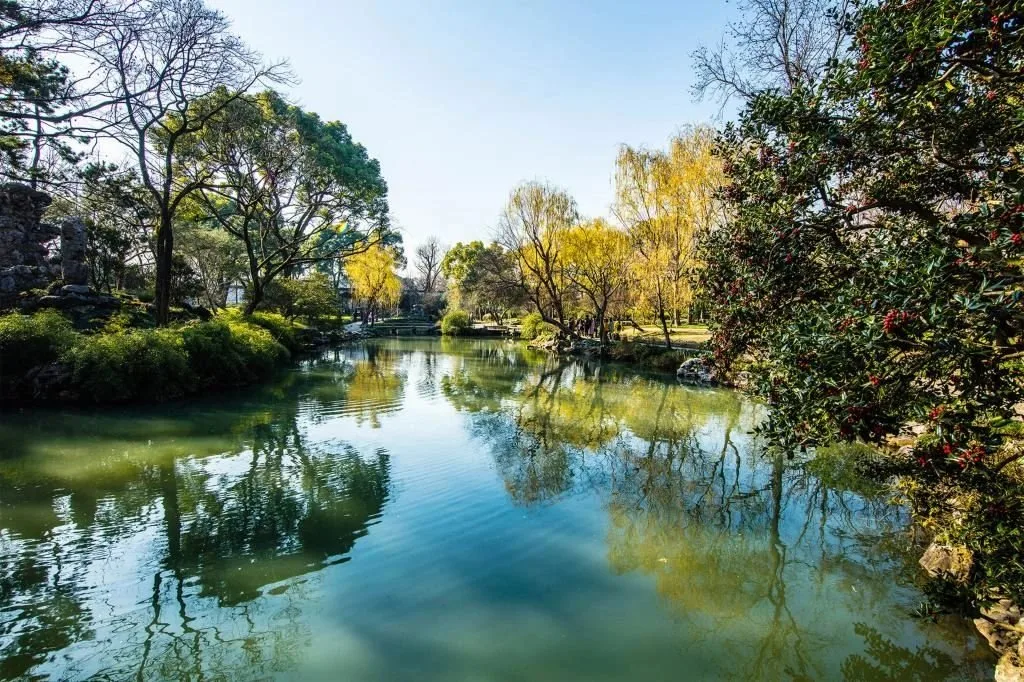
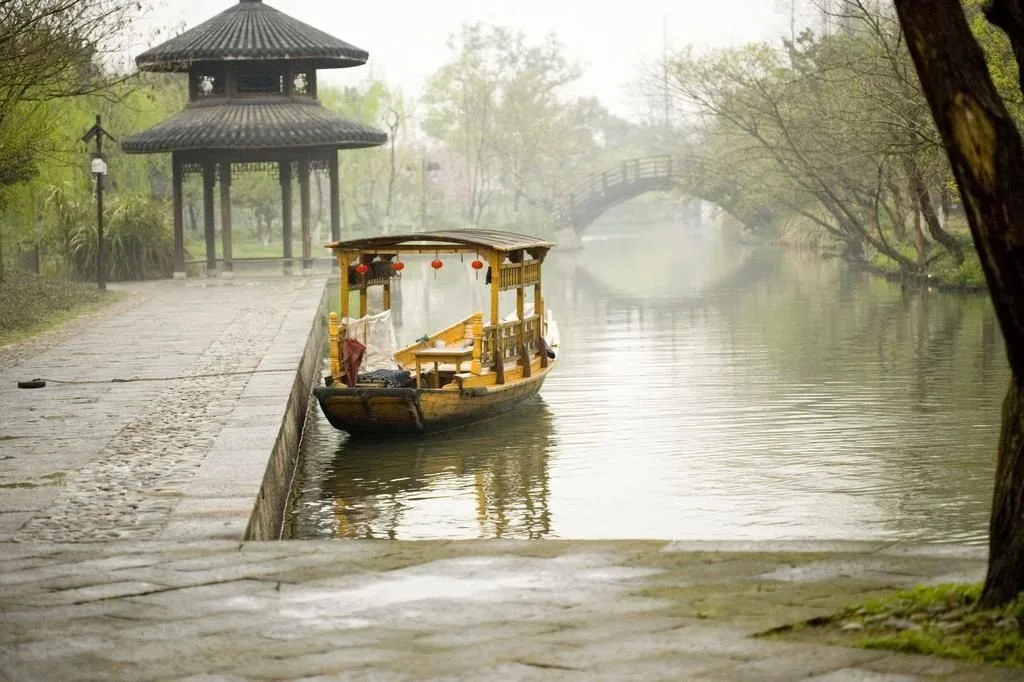
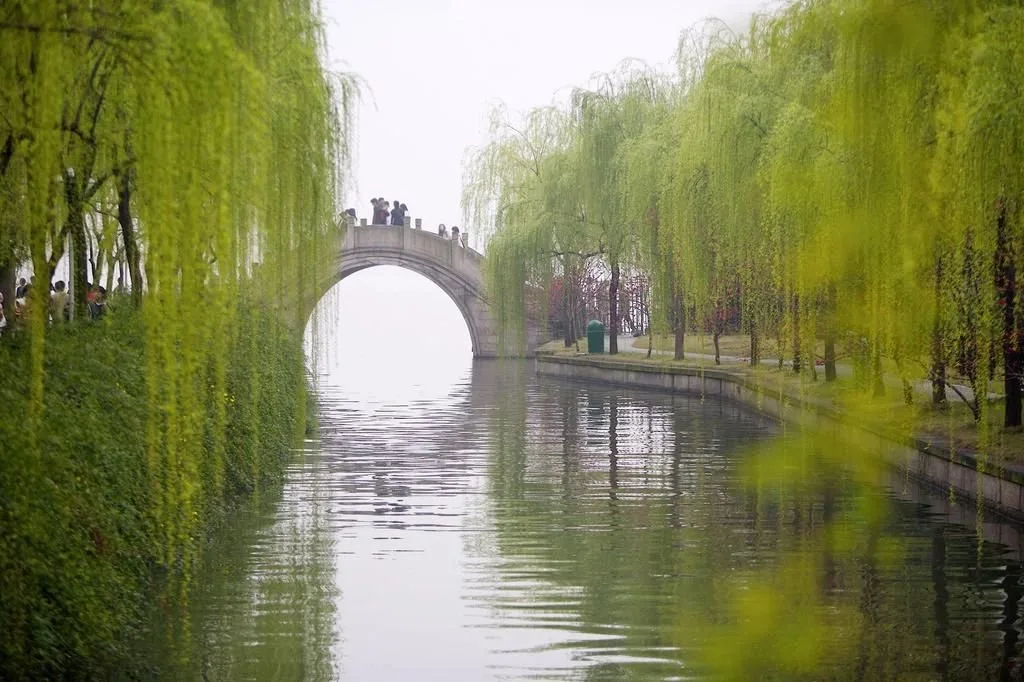
Your English-speaking guide will pick you up at your Shanghai hotel at around 8:00 a.m. Drive toward Suzhou, stopping first at the water town of Tongli on the city’s outskirts. More than 1,000 years old, Tongli is known for its stone bridges, historic houses, temples, and private gardens.
Fifteen waterways crisscross Tongli, linked by around 49 stone bridges in a variety of styles. Three of the most celebrated are Taiping (peace), Jili (luck), and Changqing (celebration). Local traditions associate crossing these bridges on important occasions, such as weddings, with peace, good fortune, and happiness.
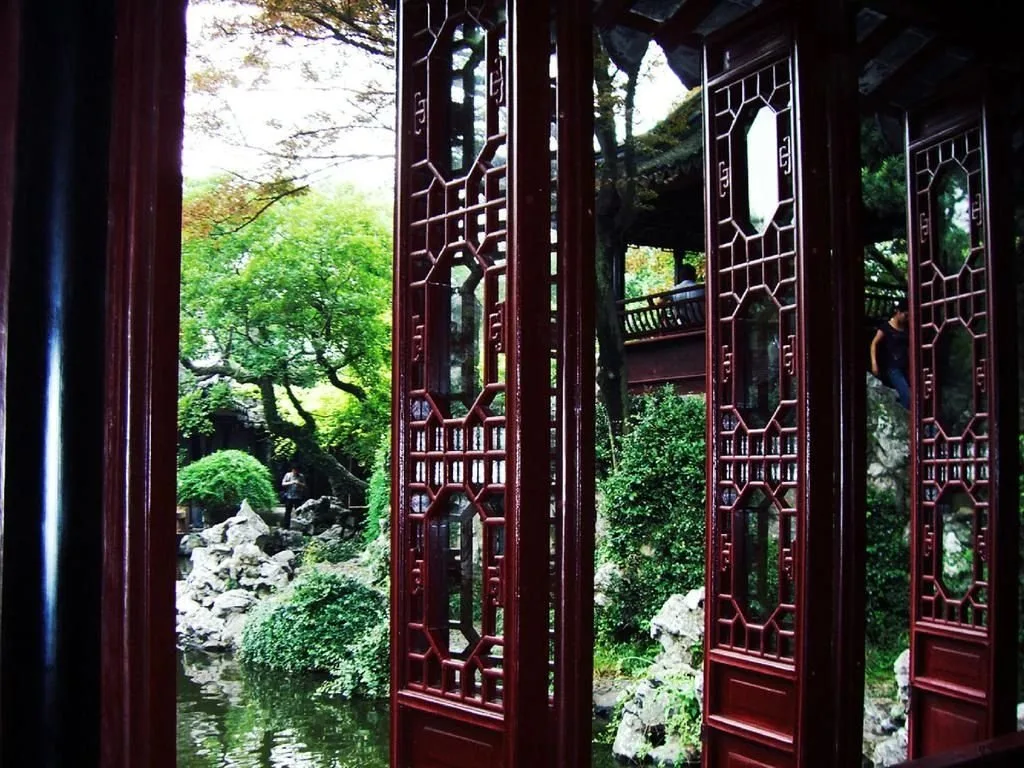
Historic buildings from the Ming and Qing dynasties line Tongli’s waterways. The town’s traditional gardens are also worth exploring, particularly Tuisi Garden, built between 1885 and 1887. Its pavilions, terraces, halls, rockeries, and ponds form a harmonious classical garden.
After exploring the bridges and historic buildings, take a cruise through Tongli’s canals for a different perspective on this picturesque water town.
Continue to Suzhou, a city renowned for its stone bridges, pagodas, and classical gardens. Its network of waterways has earned it the nickname the “Venice of China.”
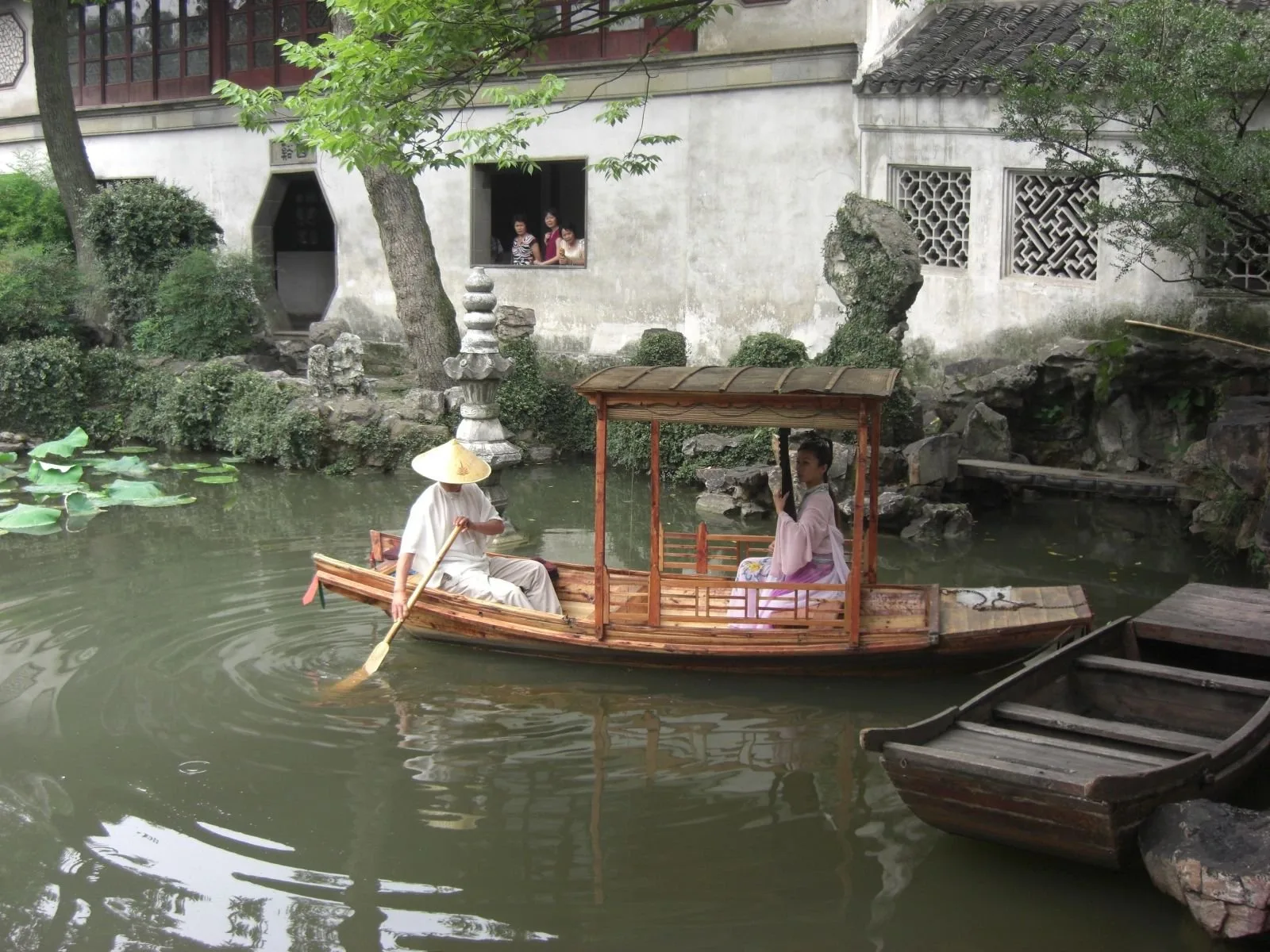
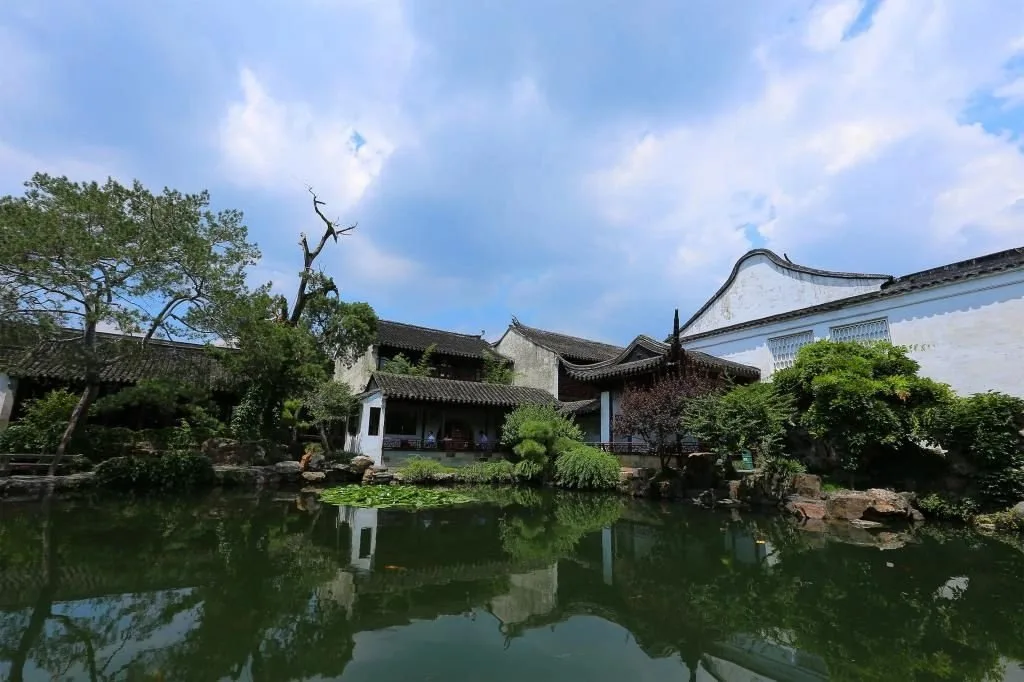
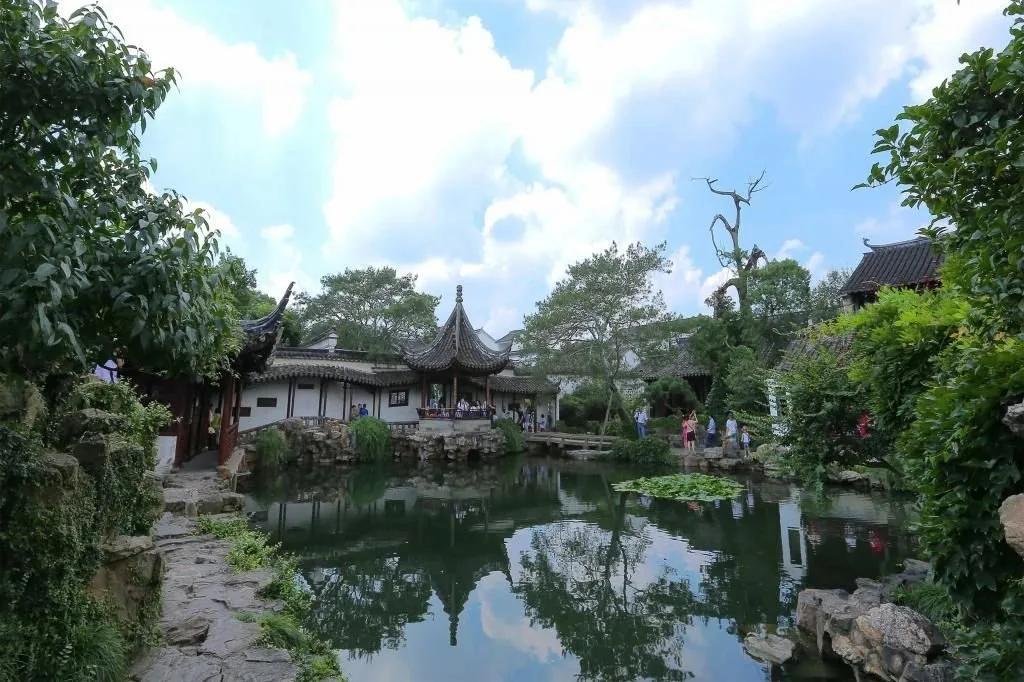
Our first stop in Suzhou will be the Garden of the Master of the Nets. This is the smallest garden yet supposed to be the most delicate one in the city. The 0.6-hectare garden is an elegant structure of a typical official's residence in the Qing Dynasty. The present garden is found on the former site of a Song dynasty official's mansion. Its owner, an early Qing-dynasty official Song Zongyuan, gave its present name based on the earlier one, "Fisherman's Retreat."
The Master of the Nets Garden combines a residential quarter with a carefully designed garden. Corridors connect the halls, while the garden centers on a pond surrounded by plants, rocks, pavilions, and stone bridges. Its compact layout and refined design make it a memorable example of Suzhou’s classical gardens.
Next, visit Panmen Gate in southwestern Suzhou. The surrounding scenic area combines historic landmarks with the landscaping of a classical Chinese garden. Its best-known sights are Ruiguang Pagoda, Panmen Gate, and Wumen Bridge.
Suzhou has long been an important center of silk production. Visit the No. 1 Silk Factory to learn about the process, from raising silkworms and sorting cocoons to boiling, reeling, and winding the silk. See how the raw silk is prepared for use in fine fabrics.
After visiting the silk factory, return to Shanghai, where your driver will drop you off at your hotel in the evening.