
Journey at a glance
- Day 1 Arrive in Lhasa
- Day 2 Lhasa
- Day 3 Lhasa
- Day 4 Lhasa
- Day 5 Lhasa to Gyantse
- Day 6 Gyantse to Shigatse
- Day 7 Shigatse to Lhasa
- Day 8 Depart from Lhasa
About Sho Dun Festival in Tibet
Lhasa’s Sho Dun Festival, alternately spelled “Shoton“, is one of the most popular annual celebrations in the Tibetan region. Dating back to the 11th century, the festival was originally a “yogurt banquet” (“sho” meaning” yogurt” and “dun” meaning “banquet”) where locals would bring yogurt offerings to the monks. Over time the festival grew to include opera singing and dancing performances, a now central element of the annual festivities.
Tour Highlights
- Marveling at the giant Sho Dun Thangka on display at Drepung Monastery
- Attending a traditional Tibetan opera performance
- Watching lamas debate Buddhist philosophy at Sera Monastery
YOUR JOURNEY
Route Map
Select a route section to explore the map. Tap a stop for its location or use the directions link for the next leg. Flights, trains, cruises and hiking arrangements follow your itinerary.
Itinerary
Day 1 Arrive in Lhasa
At an elevation of more than 3,614 meters (11,860 feet), Lhasa is one of the world’s highest cities. As the capital of Tibet, this vibrant and fascinating place has been the center of Tibet’s political, religious, economic and cultural activities ever since the Fifth Dalai Lama moved the capital here in 1642. While home to some of Tibet’s richest cultural wonders, Lhasa is also a modernizing metropolis. The old town is filled with devout pilgrims traveling Barkhor Street, the town prayer circuit that wraps around Jokhang Monastery. In Lhasa, Buddhism is not an abstract religious belief. For many, it is a spiritual way of life.
Welcome Dinner in Lhasa
Join a Welcome Dinner with your fellow travelers. During dinner, you’ll get to know each other, your local guide, and learn more about the journey ahead. Your guide will give a short lecture on the history of Tibet and introduce local cultures and customs that we’ll see often throughout the trip.
Meals included: dinner
Day 2 Lhasa
Sho Dun Festival
Lhasa’s Sho Dun Festival, alternately spelled “Shoton”, is one of the most popular annual celebrations in the Tibetan region. Dating back to the 11th century, the festival was originally a “yogurt banquet” (“sho” meaning” yogurt” and “dun” meaning “banquet”) where locals would bring yogurt offerings to the monks. Over time the festival grew to include opera singing and dancing performances, a now central element of the annual festivities. On the first day of the festival, the crowning jewel is the giant Thanka painting hung at Drepung Monastery. The rest of the festival is held primarily on the grounds of the Norbulingka Palace, with locals and visitors alike filing in to partake and enjoy the celebrations.
Drepung Monastery
Once the largest and most influential monastery of the Gelukpa sect, the Drepung Monastery housed more than 10,000 monks and served as the Dalai Lama’s residence before the reconstruction of the Potala Palace in the 17th century. From a distance, the buildings actually resemble a mound of rice, hence the name Drepung, or ‘rice heap’. Visitors and pilgrims travel from afar to see the monastery’s relics, including giant statues of Bodhisattvas and rare sutras.
Jokhang Temple
Visit Jokhang Temple, a deeply revered Tibetan Buddhist site whose architecture reflects Nepalese and Indian influences. Observe pilgrims gathering to worship and, where access permits, enjoy rooftop views toward the Potala Palace. You may also rise early to join the traditional pilgrimage circuit around the temple.
Meals included: breakfast, lunch, and dinner
Day 3 Lhasa
Potala Palace
An architectural masterpiece perched atop Lhasa’s Red Mountain, Potala Palace is undoubtedly the grandest building in Tibet. First built in 631, the palace was reconstructed and expanded at the end of the 17th century by the Fifth Dalai Lama. For the next 300 years, it served as the winter residence of the Dalai Lama and the religious and political center of Tibet. It contains more than 10,000 shrines, 200,000 statues, and 1,000 rooms. Now a state museum for historical relics, the Palace is visited by both tourists and pilgrims.
Sho Dun Festival – Dragon King Lake
Tibetan Opera, designated an intangible cultural heritage by UNESCO in 2009, is a combination of folk song, dance, storytelling, changing, acrobatics, and prayer. The performance is centered around a narrative with performers wearing colorful multi-shaped masks. The stage varies from public squares to temples but is always centered around a single tree wrapped in colorful paper.
For Sho Dun Festival, Tibetan Operas are performed at The Dragon King Lake, one of the most famous garden pavilions in Lhasa.
Visit a Local Tibetan Tea House
Drink in the local culture while sipping on a cup of Tibetan sweet tea in one of the city’s tea houses. Tibet’s version of milk tea, this sugary concoction is made with yak milk and is the perfect beverage for putting the pep back in your step after a day of exploring. These popular spots are almost always filled with locals, making them the perfect place to get in some people-watching and take life at the speed of Tibet.
Norbulingka (Dalai Lama Summer Palace)
Built in 1783, Norbulingka served as a summer residence for Tibet’s religious leaders from the 1780s until the 14th Dalai Lama’s exile in 1959. During Tibet’s turbulent 1950s, this UNESCO World Heritage Site underwent damage and destruction but was restored by the Chinese government in 2003. The park section of the palace is the perfect place to watch local Tibetans dancing, singing karaoke, and playing games.
Meals included: breakfast, lunch, and dinner
Day 4 Lhasa
Pabongka Monastery and Hike to Chupzang Nunnery
Local legend claims that the land surrounding the Pabongka Monastery was home to two divine tortoises, a male and a female, which now exist in the form of two granite boulders at this lesser-known monastery. Carved into a rock at the entrance to the temple, you’ll see the mantra “Om Mani Padme Hum”. Roughly translated, the phrase means, “Hail to the jewel in the lotus,” referring to the Buddhist belief that all people inherently possess the qualities necessary to achieve spiritual enlightenment.
After our visit to the monastery, we will take a short 30-minute hike to the Chupsang Nunnery. A part of the Gelug sect of Tibetan Buddhism, this Nunnery has 80 red-robed residents and is tucked in the beautiful grassy surrounding area.
Sera Monastery
Founded in 1419, Sera Monastery is one of Tibet’s major Gelug monastic centers. It is especially known for its teaching debates, which visitors can often observe in the courtyard in the afternoon. You can also visit the printing center, where Buddhist texts are printed by hand on traditional long sheets of paper.
Please note: Though debates are held almost every weekday, it’s possible that the monastery might cancel debates for various reasons beyond our control.
Meals included: breakfast, lunch, and dinner
Day 5 Lhasa to Gyantse
Next Stop: Gyantse
Once Tibet’s third largest town, Gyantse is known for its charming architecture and picturesque rural landscape. Gyantse is a town frozen in time, allowing travelers a peak into Tibet’s colorful past. Its premier attractions are the Kumbum Stupa, and its Palkhor Choede Monastery.
Drive to Gyantse
In total, the drive takes around five hours. The gentle ascent through a series of switchbacks from Lhasa will take us to an elevation of approximately 4,500 meters (14,500 feet) and is a great opportunity to check out the natural scenery as we drive.
Yamdrok Lake
Yamdrok Lake, 4,400 meters (14,500 feet) above sea level, is revered as the life-spirit of the region. The holy lake is surrounded by unbelievable views of Mount Donang Sangwari as well as the snowy peaks of Nojin Gangzang in the distance. Local Tibetan folklore says that Lake Yamdrok Tso is actually a fairy that descended upon the grasslands of Tibet. As a significant sacred lake, many Tibetans believe that the lake’s colors carry deep spiritual meaning. Thus pilgrims would visit the lake prior to making important decisions. We walk around the lake admiring the stunning views before continuing our drive across the narrow Karo La pass and descending to Gyantse.
Visit a Local Tibetan Home
Get a glimpse at everyday life in Lhasa when we visit a traditional Tibetan home. You’ll converse with the family (through your guide) and admire the home’s intricately painted walls as you drink yak butter tea. This is a unique opportunity to get a close and personal perspective of Tibetan culture and modern-day life through the eyes of a local farmer.
Arrive in Gyantse
Check into your hotel in Gyantse and relax. After spending so much time on the road, spend the remainder of the evening exploring Gyantse at your leisure. As always, your guide will be happy to give ideas for the best way to spend your time in town.
Meals included: breakfast, lunch, and dinner
Day 6 Gyantse to Shigatse
Welcome to Shigatse
Founded in 1447, Shigatse (3900 meters/12,793 feet) is the second largest town in Tibet with a population of 80,000 residents. It is the seat of the Panchen Lama, the second-highest ranked Lama after the Dalai Lama in the Gelugpa sect of Tibetan Buddhism.
Kumbum Stupa and Palkhor Monastery
Make your way to Palkhor Monastery, a sprawling complex of temples and assembly halls laden with murals and religious iconography. The monastery’s most recognizable feature is its Kumbum Stupa, a multi-layered shrine that consists of 108 chapels housing thousands of Bodhisattvas, Vajras and other relics of Tibetan Buddhist history. A crimson wall snakes through the hills buffeting the monastery complex, and this monastery is less crowded than its counterparts in Shigatse—definitely a must-see as you pass through the region.
Tashi Lhunpo Monastery
In 1447, the first Dalai Lama constructed the Tashi Lhunpo Monastery here, whereby Shigatse became the political, economic, and cultural center of this secluded region. The Monastery is the official seat of the Panchen Lama, and at its peak housed more than 4,000 monks in its blazing red, white, and black Tibetan constructed walls.
The highlights of this monastery include a five-story temple housing a fantastic 26m high copper and gold statue of the Maitreya Buddha, and a tomb of the 4th Panchen Lama containing masses of jewels and gold. Stop and listen to the prayers in the Grand Hall of Tashilhunpo Monastery, where one can see lamas rushing around pouring yak butter tea into endless rows of cups.
Meals included: breakfast and lunch
Day 7 Shigatse to Lhasa
The last couple of days have been chalk filled with temples and road trips, that this morning you deserve a break! Enjoy the morning at your leisure. We recommend visiting local markets to buy some one-of-kind souvenirs.
As the sun rises further up the sky, it has come time to get back on the road to Lhasa. The drive will take around 5-6 hrs. The drive will look out on breathtaking mountains and other marvelous scenery, so get your camera ready. Upon arriving in Lhasa, enjoy the remainder of the day at your leisure.
Barkhor Market
Located amid the narrow lanes of Lhasa’s old neighborhood, Barkhor Street is a bustling market with tons of local vendors selling, among other things, prayer flags, jewelry, and incense. Stroll through the area and watch pilgrims circling the Jokhang Monastery prayer circuit amidst the chaos of the market. With the help of our local guide, haggle with shop owners, buy souvenirs, and people-watch in this central Lhasa neighborhood.
Farewell Dinner in a local Tibetan restaurant
Enjoy a farewell dinner in a local Tibetan restaurant. Enjoy dish after dish of delectable local cuisine and learn more about traditional Tibetan celebrations. After a few samplings of Tibetan whiskey, you may even feel compelled to join in a Tibetan dance.
Meals included: breakfast, lunch, and dinner
Day 8 Depart from Lhasa
Today, your China Adventure Club journey draws to a close. Your guide and driver will take you to the airport to help you check in for your flight.
Hotels
Photos
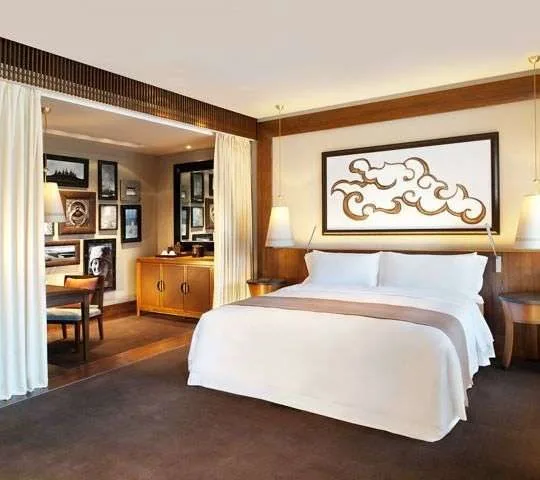
St. Regis Lhasa 5-Star With unparalleled views of Potala Palace, the St. Regis is inspired by Sera Monastery and pays homage to Tibet’s culture and history.
Photos
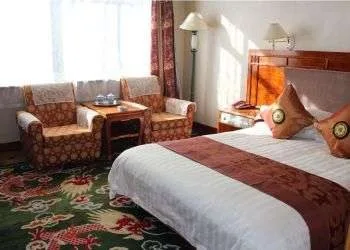
Gyantse Hotel, Gyantse 2-Star Located in the center of the ancient city, the Gyantse Hotel, a 2-star local hotel, is the best available accommodation in the city.
Photos
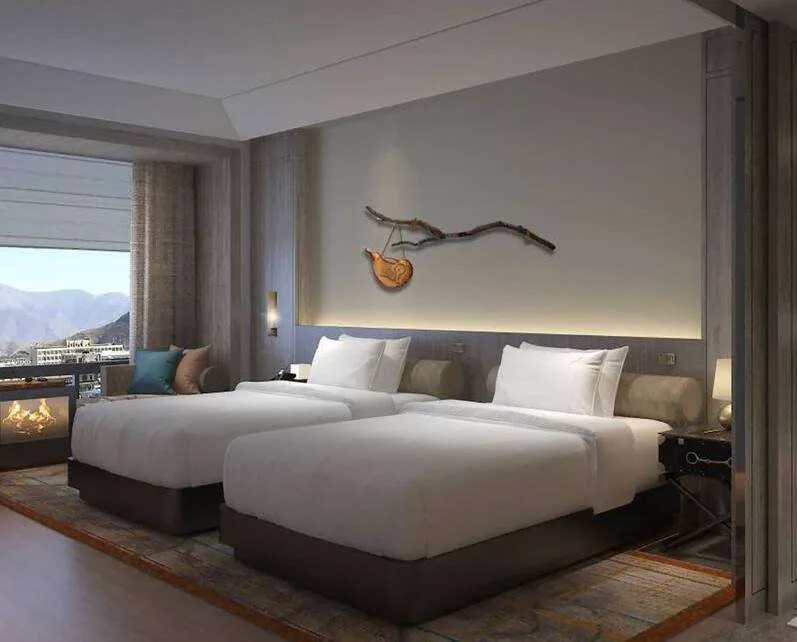
Hilton, Shigatse 4-Star The Hilton Shigatse, opening in 2022, is the newest addition to the far-flung town of Shigatse, and a welcome one for travelers looking for a higher-level of accommodation after a long day on the road.
Photos
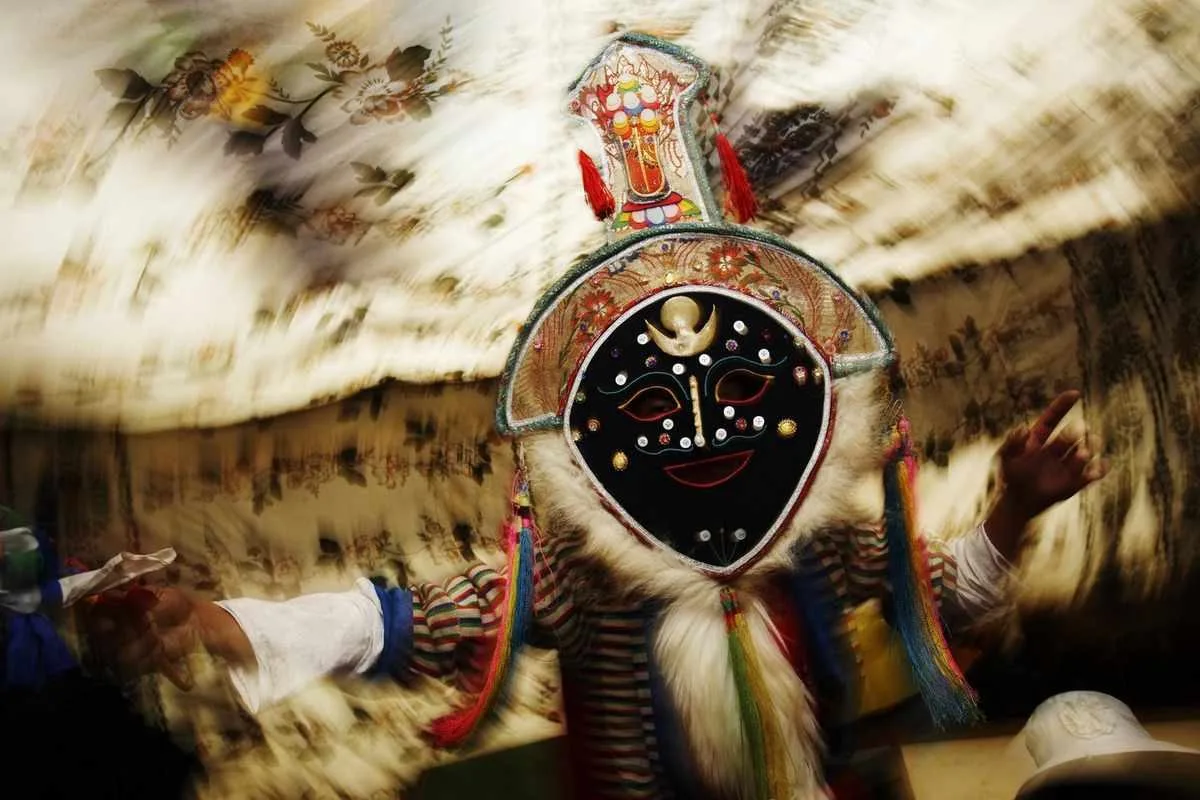
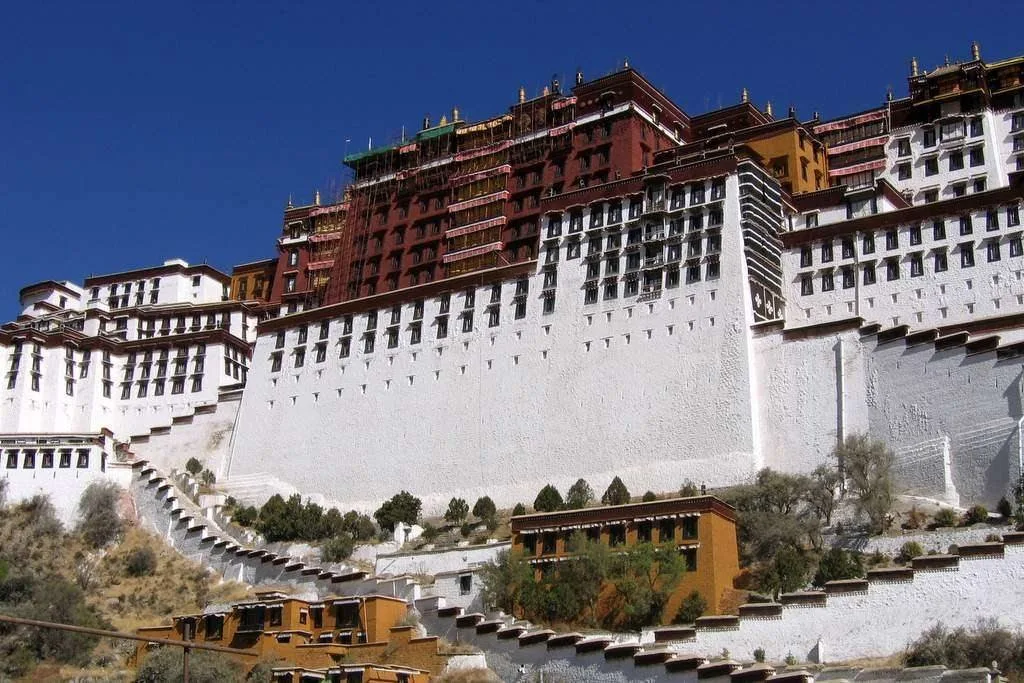
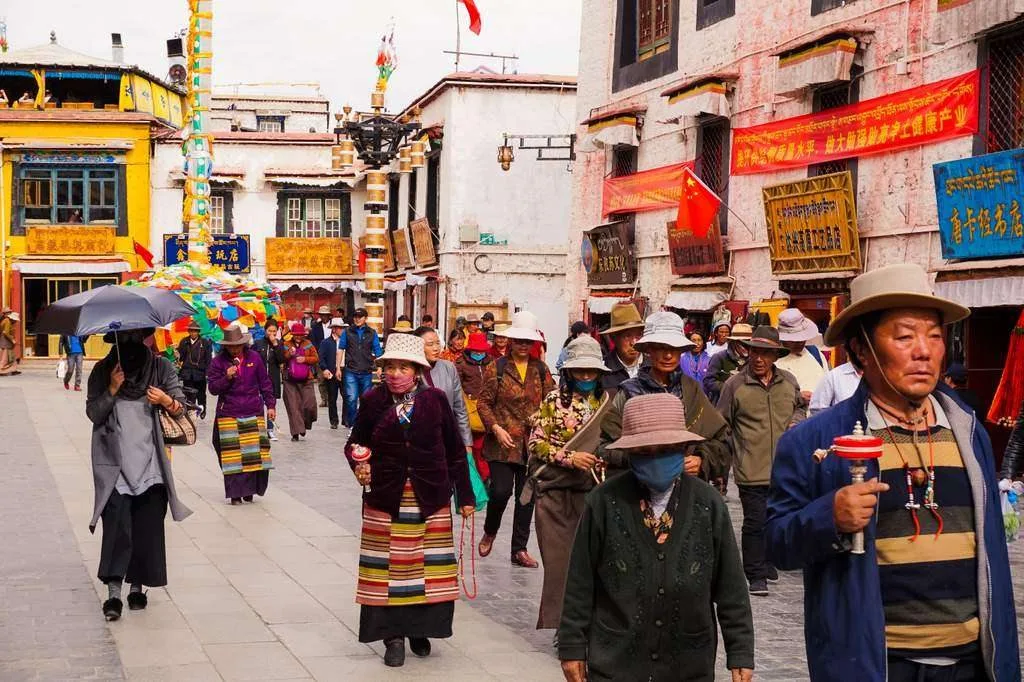
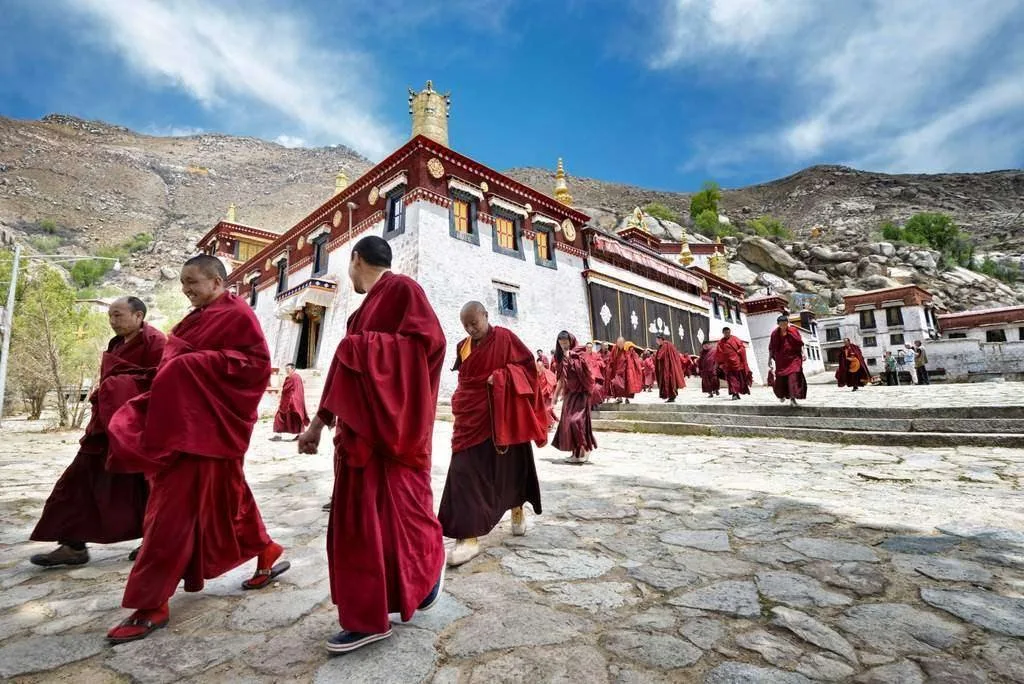
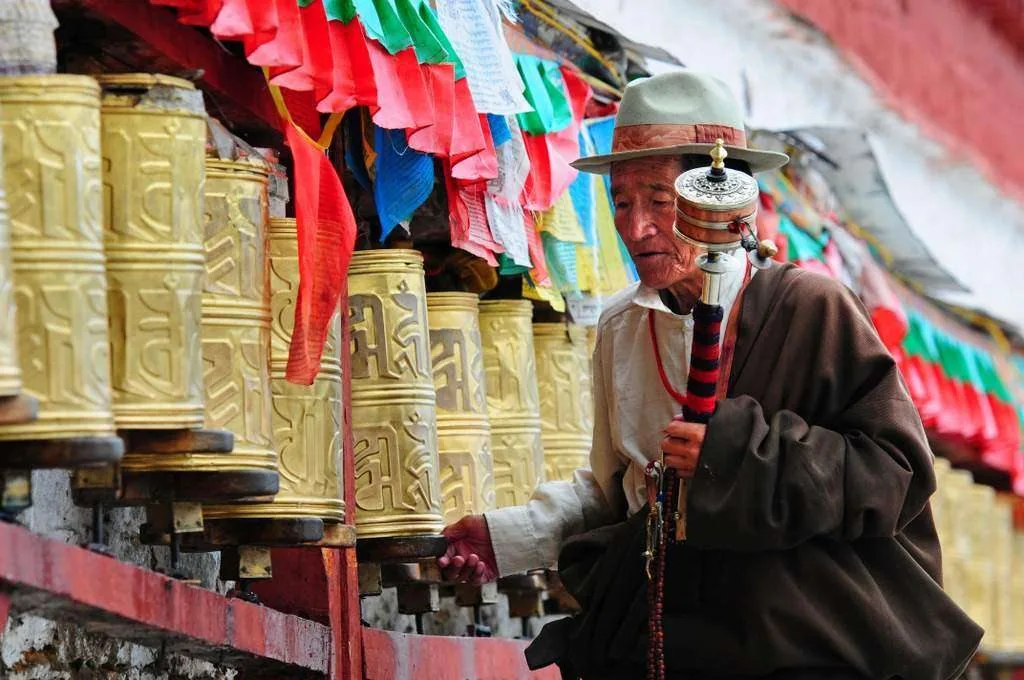
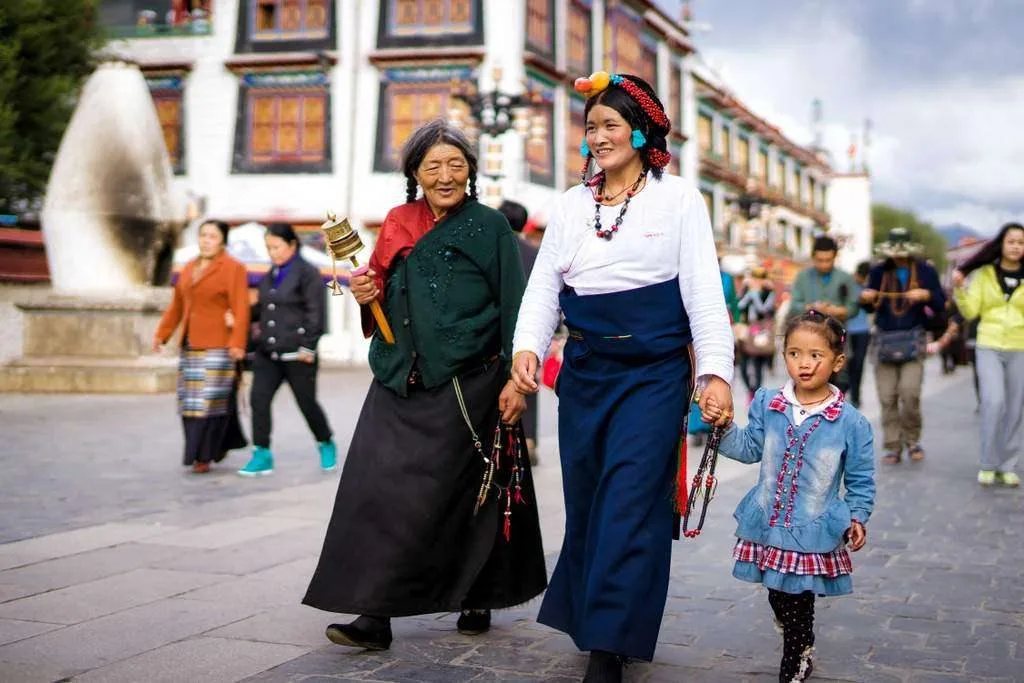
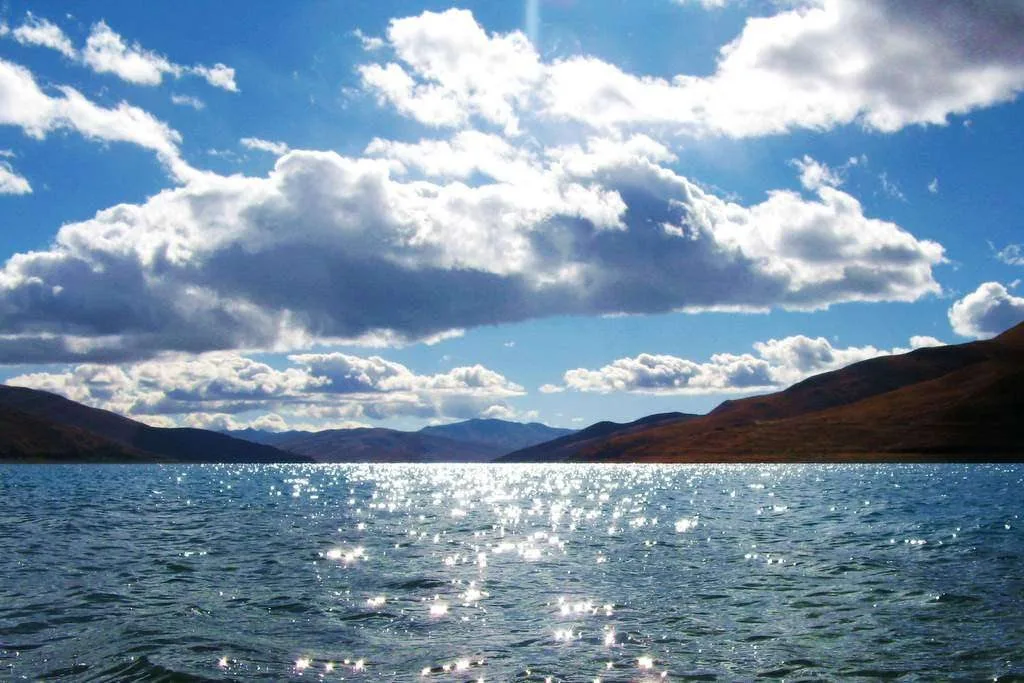
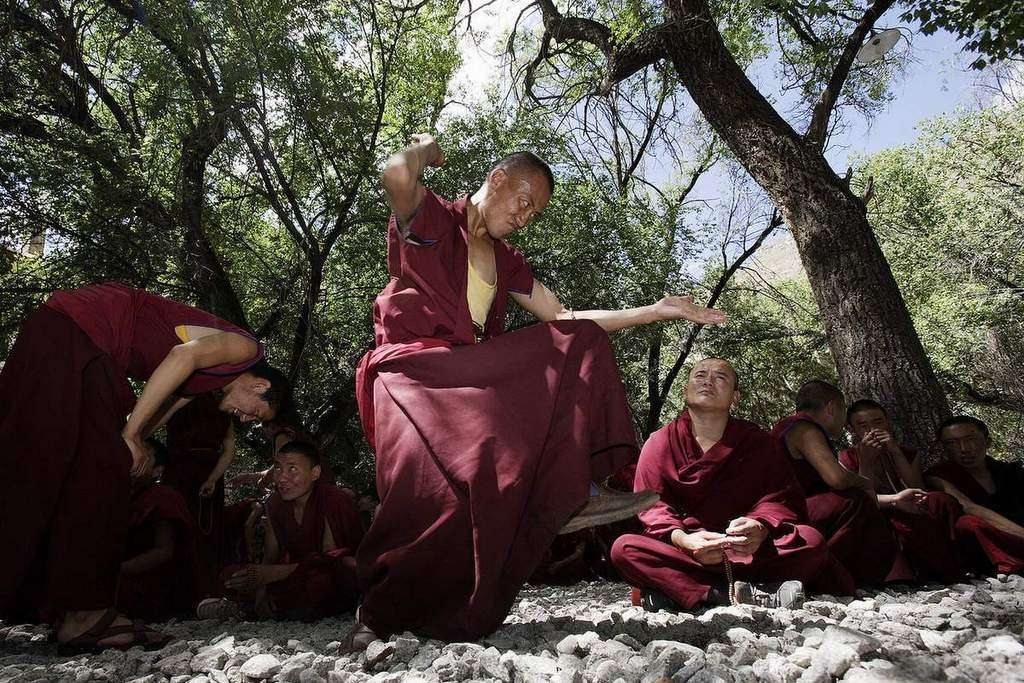
Photos Sho Dun Festival in Tibet Potala Palace in Lhasa Barkhor, a bustling market with countless local vendors located amid the narrow lanes of Lhasa’s old neighborhood Monks leave the main assembly hall of Sera monastery Tibetan pilgrim circles the Potala palace Three generations of tibetan woman walk at the Barkhor street in Lhasa, Tibet, China One of the three sacred lakes in Tibet, Yamdrok Lake, 4,400 meters (14,500 feet) above sea level, is revered as the life-spirit of the region. Sera Monastery monks animatedly and vigorously debate Buddhist texts Share this journey
Details
Dates for This Journey
August (exact dates vary year to year)
Arrival & Departure
This journey starts and ends in Lhasa, in south central Tibet. The regional airport, Lhasa Gonggar Airport (LXA), is one of the highest airports in the world and is located about 62 km (39 miles) from the center of Lhasa.
What’s Included
- All accommodations based on double-occupancy including breakfasts, as indicated in the itinerary
- All meals, as indicated in the itinerary, and drinking water
- All admission fees and activity expenses, as indicated in the itinerary
- Ground transportation, including airport transfers
- Services of an English-speaking local guide
- Tibet permit
What’s Excluded
- International and domestic flights, domestic trains, plus relevant taxes
- Chinese tourist visa, which is required for most foreign passport holders
- Travel and medical insurance
- Meals, apart from those included in the itinerary, and alcohol
- Expenses of a personal nature
- Excursions and activities not included in the itinerary
- Discretionary gratuities for guides and drivers
What to expect
Trip Difficulty: Moderate Adventure
This journey is considered a moderate adventure. Moderate adventure includes full days outside the hotel, with drives up to 3 or 3 ½ hours on mainly well-maintained, paved roads. We may spend up to 4-5 hours walking or hiking.
Your Guides
Your guide will arrange the logistics of your trip, including meals, hotel reservations, sites, and activities, as well as providing you with information about the local region. Your local guide is specific to each local region and will be confirmed during booking.
Meals and Water
Meals are included, as listed in your itinerary. We strive to arrange meals that highlight authentic local cuisine in clean, local establishments.
It is safe to drink bottled mineral water, but tap water, even in 5-star hotels, is not safe for drinking. We will provide bottled water, tea, and snacks throughout your journey.
We request guests with severe allergies to consult their physicians prior to traveling and to bring all necessary medicines with them. Inform us ahead of time of specific allergies, such as peanuts or shellfish, or sensitivities to MSG, so that we can do our best to ensure these items are not used in your meals.
*** Note that our picnic at Yamdrok Lake is not included due to weather conditions during winter times.
TAILOR-MADE TRAVEL
Request This Tour
Tell us your preferred dates, group size, and interests. We will prepare a personal proposal for your China journey.
Request the Tour