
Journey at a glance
- Day 1 Arrival in Baoshan
- Day 2 Baoshan - Bingzhong Luo
- Day 3 Bingzhong Luo
- Day 4 Bingzhong Luo (1,500m) to Arulaka (2,800m)
- Day 5 Arulaka (2,800m) to Dimaluo (1,800m)
- Day 6 Dimaluo to Deqin
- Day 7 Depart from Shangri-La
About this Journey
Embark on the legendary Tea Horse Trail, once traversed by mule caravans transporting tea and treasures. The trail meanders through snow-dusted vistas, remote mountain villages, and ancient trade routes that once connected tea-producing regions with distant markets. Along the way, the rugged landscape reveals a glimpse into the enduring traditions of communities that have thrived for centuries along these historic paths.
Tour Highlights
- Stepping onto the historic Tea Horse Trail, where mule caravans once carried tea and treasures through rugged mountain paths
- Experiencing the convergence of Tibetan Buddhist and Catholic traditions at a Tibetan Catholic Church
- Marveling at the awe-inspiring Gaoligong Mountain, where mist-clad peaks and pristine forests reveal the raw beauty of nature
YOUR JOURNEY
Route Map
Select a route section to explore the map. Tap a stop for its location or use the directions link for the next leg. Flights, trains, cruises and hiking arrangements follow your itinerary.
Itinerary
Day 1 Arrival in Baoshan
First Stop: Baoshan
The joy of travel in China is that even the most routine jumping-off point is itself packed with cultural intrigue. The prefecture-level city of Baoshan, nestled between the Burmese border and the adolescent Mekong, offers just that — being the largest urban area in the province this side of Dali. Once the starting point of a southern trade route to India, the city is home to 2 million people and boasts volcanoes, ancient towns, and the epic Gaoligong Mountains within its orbit.
Day 2 Baoshan - Bingzhong Luo
Drive to Bingzhong Luo
The journey from Baoshan to Laomudeng will take approximately 3 hours, while the trip from Laomudeng to Bingzhong Luo will take around 4 hours.
On the way: Laomudeng Village
Laomudeng means “the place people like to come” in the local Nu language, and it is exactly that. The village is more prosperous than its neighbors, having attracted more visitors to the area in recent years, thanks to the indescribable views it offers down the Nujiang Valley, especially at dawn when heavy, moisture-laden clouds rest atop the canyon slopes. The church at the heart of the village is more utilitarian than some, but it is nonetheless one of the biggest and the center of a thriving religious community in Laomudeng.
Next Stop: Bingzhong Luo
Bingzhong Luo, the self-styled gateway to Tibet, is nestled 350 kilometers into the Nujiang Valley. The town is more substantial than the surrounding settlements, offering a striking visual and cultural contrast with low-rise administrative buildings rather than wooden huts, all set against the same dizzying canyon backdrop. A melting pot of the region’s ethnic communities, Bingzhong Luo features markets, restaurants, and an exciting hubbub that cannot be found in the sleepy hamlets further down the valley.
Zhongding Church
Of the many religious structures in this curiously Catholic corridor of Yunnan, Zhongding Church is the most famous. The building, with its twin belfries, is vaguely French in style but with the distinctive Chinese flourish of curved temple eaves, framed by the snow-dusted mountains beyond. The current structure, built in 1996, is smaller than the 20th-century original, which was destroyed during the Cultural Revolution when the anti-religious fervor sweeping China reached this remote section of Yunnan.
Day 3 Bingzhong Luo
Gongdangshen Mountain
Gongdang Mountain, a sacred peak in Bingzhong Luo, holds deep religious significance for local Nu and Lisu communities. Its imposing silhouette, often veiled in mist, creates an ethereal atmosphere. The mountain’s lush slopes are home to diverse flora and fauna, reflecting the region’s natural vitality. Locals believe the mountain houses deities and hold annual rituals, weaving a unique cultural tapestry in the region.
Wuli Village
Tread the storied trail of the Tea Horse Trail past splintered wooden bridges to reach tranquil Wuli, the definition of pastoral idyll. Around 60 households makeup the village, whose quaint wooden structures on the luxuriant slopes of the Nujiang Valley make for a dreamlike apparition. The ancient trading route is precipitous at this point, a narrow path hewn into sheer cliffs that all but cuts Wuli off to the outside world, creating a self-sufficient, pollution-free village paradise in this hidden corner of Yunnan.
Day 4 Bingzhong Luo (1,500m) to Arulaka (2,800m)
13km Mountain Hike (7 hours, 1,200m elevation gain)
Nestled between Bingzhong Luo and the Nu River’s first bend, Taohuadao (Peach Blossom Island) beckons with a 7-hour trek. Ascend Arulaka, traversing 360° of unpaved paths with a 1,200-meter elevation gain, and witness panoramic vistas of the Nu River Valley. Lush greenery carpets the valley floor, the meandering Nu River snakes its way through the terrain, and distant mountain peaks pierce the sky.
Logistics
Your luggage will be transported to the next stop. We suggest you pack a day pack with water and snacks for the hike.
Day 5 Arulaka (2,800m) to Dimaluo (1,800m)
8km Mountain Hike (6 hours, 1,00m elevation decline)
Nestled in Dimalu, Arulaka — meaning “auspicious mountain” in Tibetan — rises majestically at 2,800 meters. In winter and spring, Arulaka is draped in a sparkling cloak of snow-capped peaks, offering vistas of Biluo Snow Mountain to the northeast, the picturesque Dimalu River Valley to the north, and Gaoligong Mountain to the northwest. The area hosts ancient pastures where oxen and horses roam freely. Embark on an 8-kilometer hike descending from 2,800 meters to 1,800 meters. Discover unspoiled forests teeming with wildlife, where colorful alpine rhododendrons brighten the scenery with their vivid shades, and marvel at the charming Arulaka Church nestled against the snowy peaks before reaching Dimaluo.
Next stop: Dimaluo Village
Visit Dimaluo, a Tibetan community in a forested valley of Yunnan. Its predominantly Catholic heritage reflects the work of early French-speaking missionaries. Nearby Lisu, Nu, and Dulong communities add to the region’s cultural diversity.
Logistics
Your luggage will be transported to the next stop. We suggest you pack a day pack with water and snacks for the hike.
Day 6 Dimaluo to Deqin
Drive to Cizhong
The ride from Dimaluo to Cizhong will take around 2.5 hours.
Cizhong Church
Cizhong Church was first built in 1867 by French missionaries from the Society of Foreign Missions of Paris. It was destroyed during the Tibetan Revolt of the early 1900s and later rebuilt in the center of the town. Originally constructed in a predominantly European style, today, during the reconstruction, a Chinese pavilion was added to the top of the bell tower. The church survived the wrath of the Cultural Revolution as it was being used as a primary school at the time, and even today, it continues to be the center of the local community. Inside the church, traces of where Red Guards erased religious drawings on the walls can still be seen, and villagers continue to sing Catholic hymns in Tibetan, just as their ancestors once did.
Lunch in a Family Home
Step into a Tibetan-style home to experience the warmth of Tibetan hospitality while savoring seasonal Yunnan specialties, each dish reflecting the rich cultural heritage of the region. Visit a vineyard, originally introduced by French priests and now lovingly managed by local Tibetans, where exceptional wines highlight the craftsmanship and terroir of the area.
Next Stop: Deqin County
Located in the Hengduan Mountains, Deqin County is a breathtaking paradise where the Salween, Mekong, and Jinsha Rivers converge. True to its name, meaning “auspicious place,” it boasts stunning landscapes, rich Tibetan culture, and diverse wildlife. From the snow-capped peaks of the Meili Snow Mountains to lush forests and cascading waterfalls, Deqin offers a blend of adventure and tranquility.
Day 7 Depart from Shangri-La
Departure from Shangri-La
This is the day of your flight home. Early in the morning, weather permitting, you can witness the magical sunrise illuminating the majestic Meili Snow Mountain in golden hues. Then, your local guide will escort you to the airport and assist with check-in for your flight home. En route to the airport, make a memorable stop at the enchanting Moon-shaped Bend of the Jinsha River.
Bend of Jinsha River
While driving to the airport, stop at the scenic gem along the upper Jinsha River: the Moon-shaped Bend. This natural wonder forms a graceful hairpin turn as the river winds its way through encircling mountains. With the stunning U-shaped curve and the majestic Rizhui Peak as a backdrop, this site exemplifies nature’s exquisite artistry. Explore the scenic views and serene surroundings from the observation platform.
Hotels
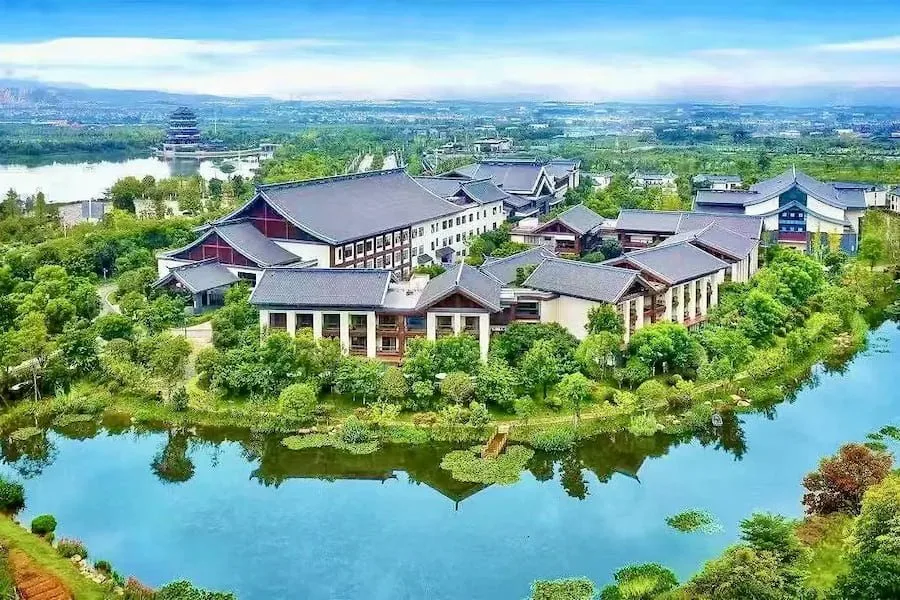
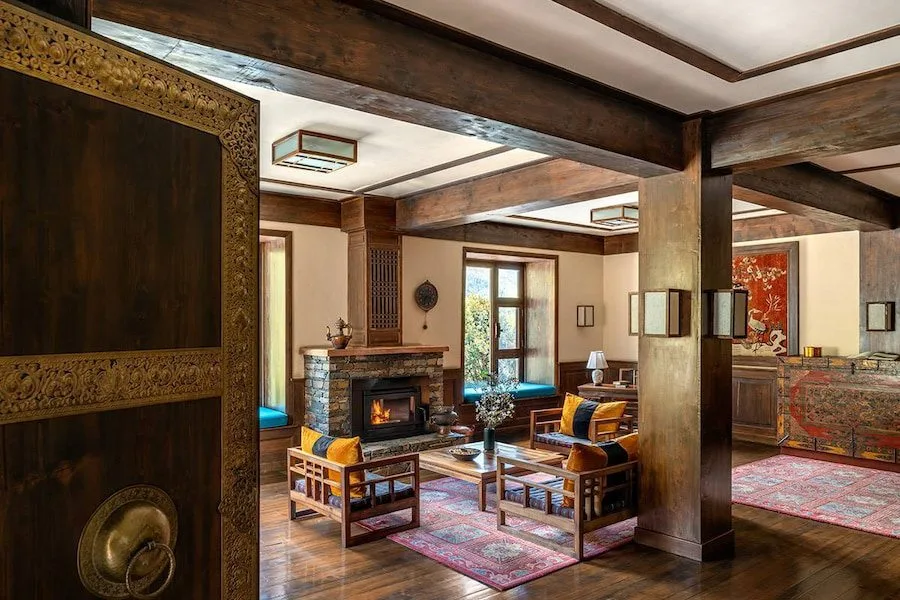
Qing Hua Hai Guan Fang Garden Hotel
Local BoutiqueSurrounded by lush gardens and beautiful scenery, the Qing Hua Hai Guan Fang Garden Hotel combines elegance with comfort.
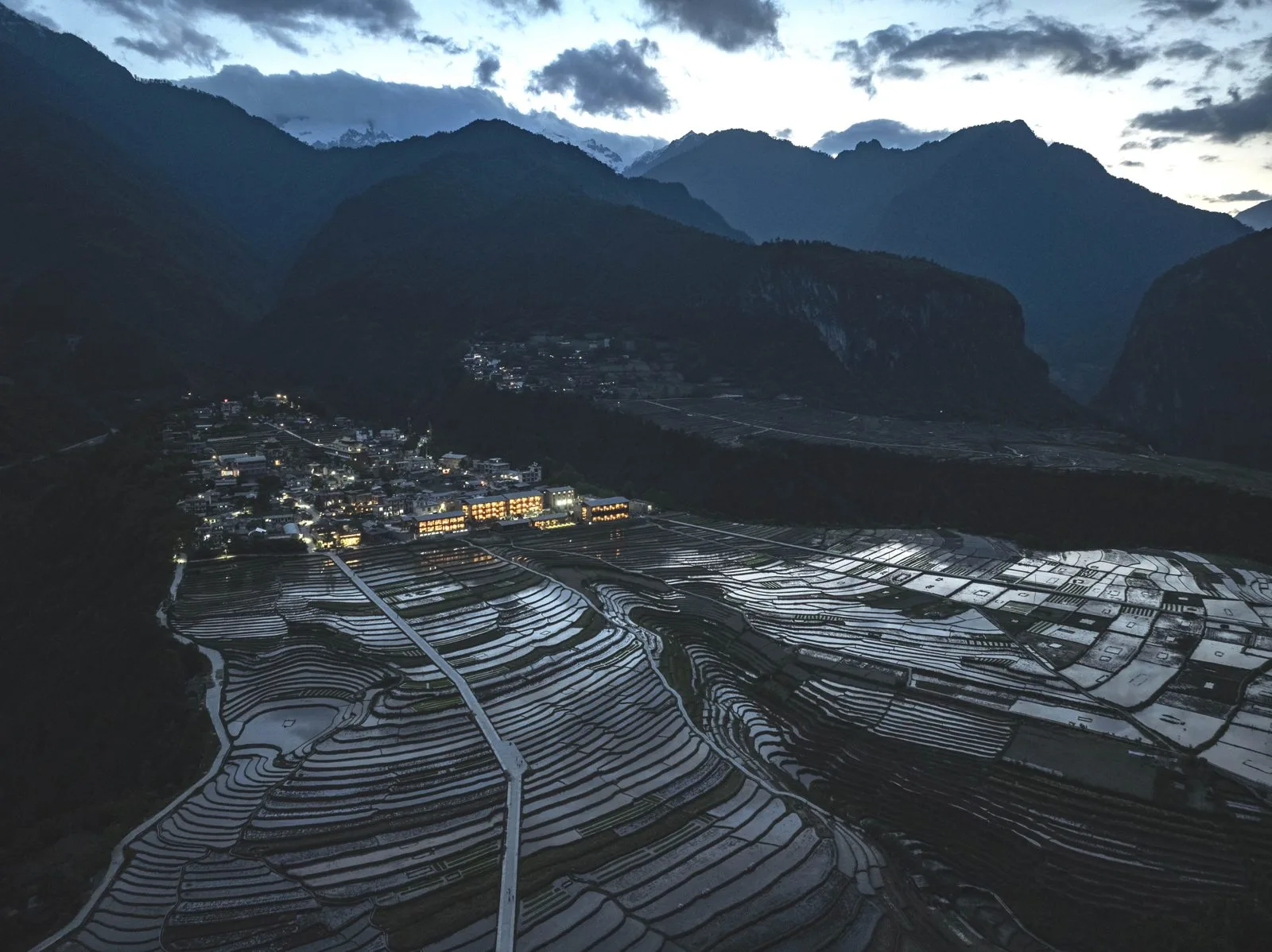
Songtsam Bingzhongluo Lodge
Luxury BoutiqueSongtsam Lodge Bingzhongluo, located upstream of the Nujiang River, offers idyllic views of the canyon mountains.
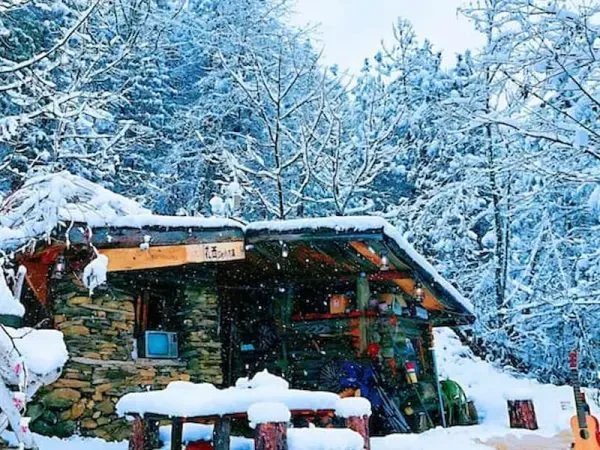
Tashi's Cabin in Nujiang
Local GuesthouseTashi’s Cabin offers the authentic charm of Tibetan hospitality, with cozy accommodations, breathtaking mountain views, and a warm traditional welcome.
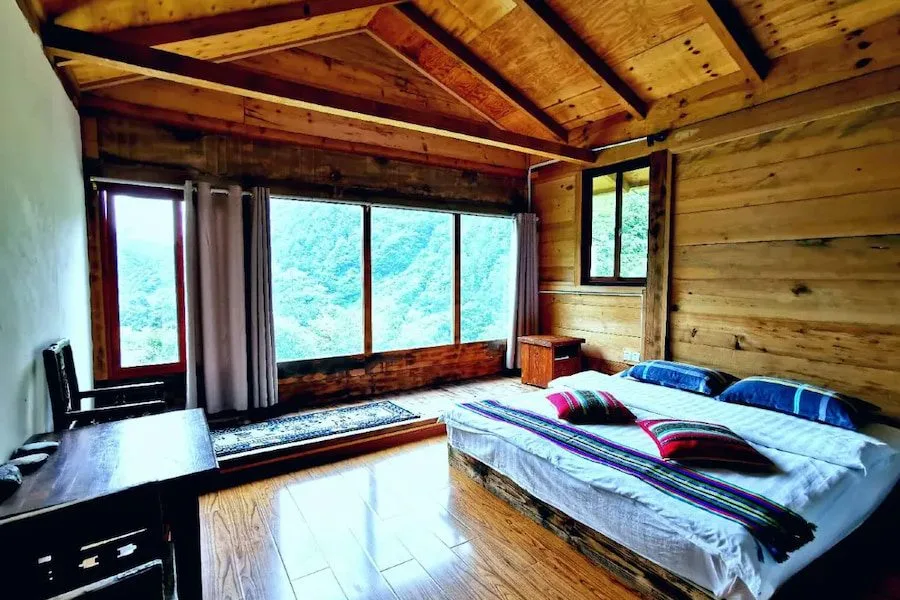
Gongshan Aluo Inn
Local GuesthouseAluo Inn perfectly resonates with the essential beauty of the mountain landscape outside, affording leafy views of foliage and canyon.
Songstam Meili Lodge
Luxury BoutiqueOverlooking the Meili Snow Mountain Range, the Songtsam Meili blends comfort and adventure, offering a serene retreat amidst stunning landscapes and vibrant sunrises.
Photos
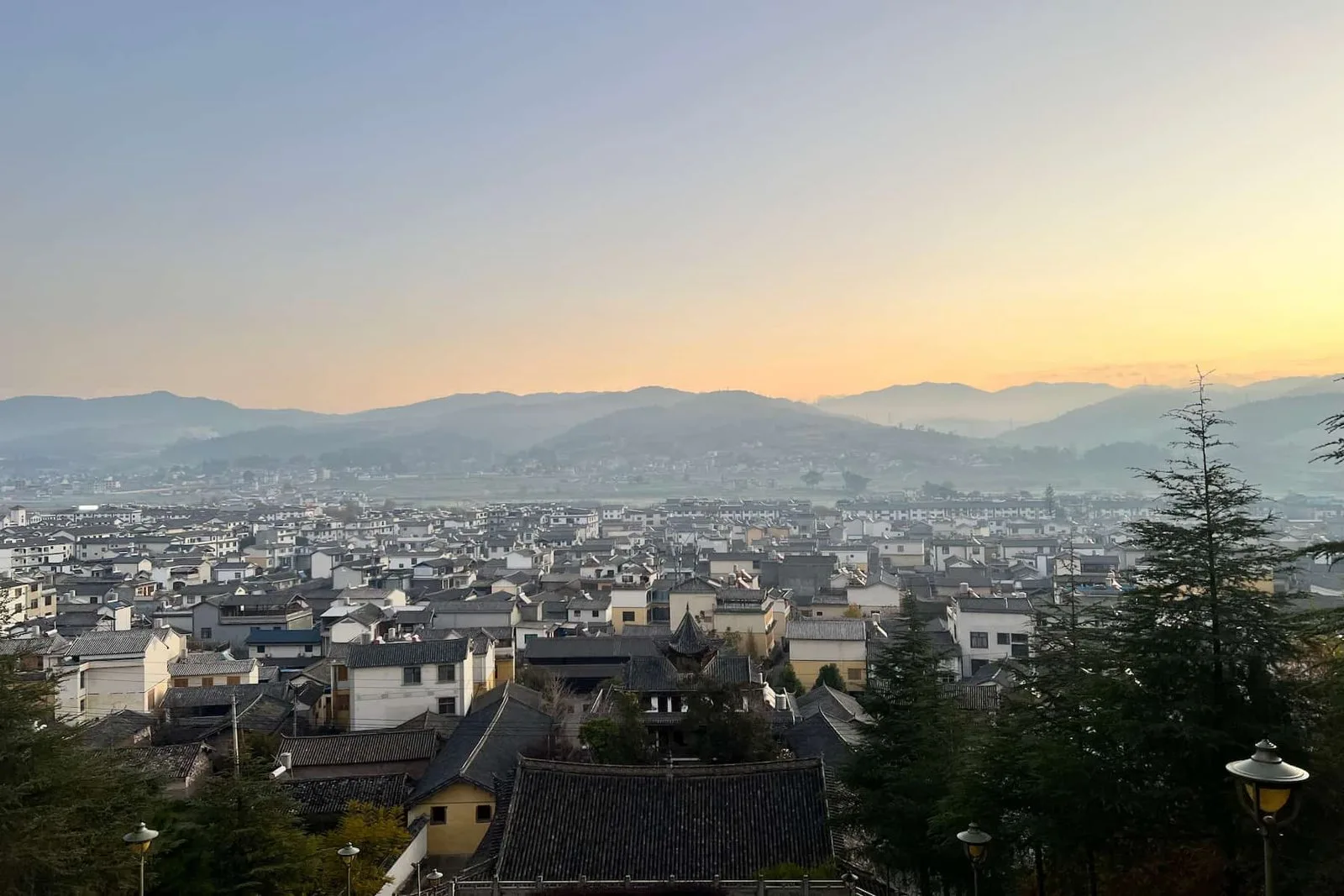
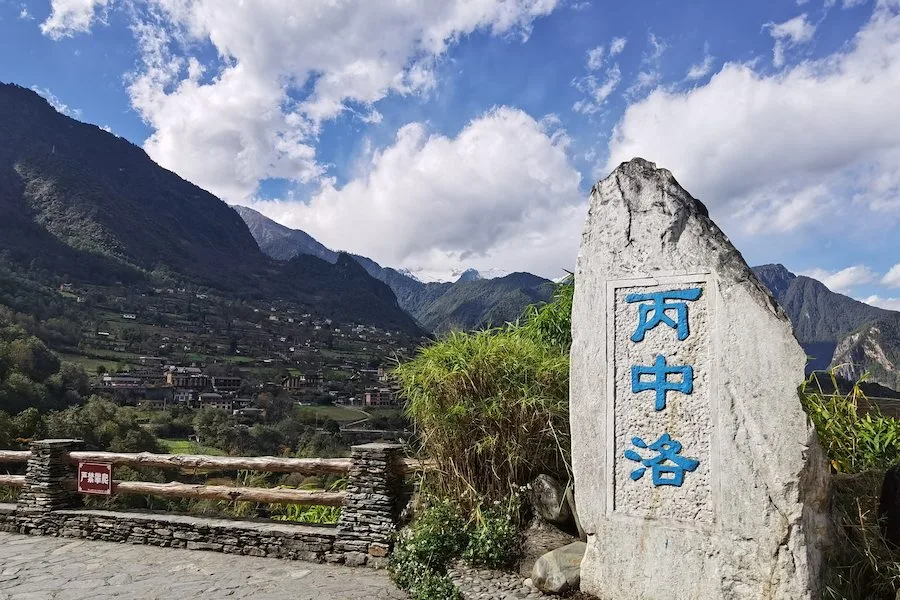
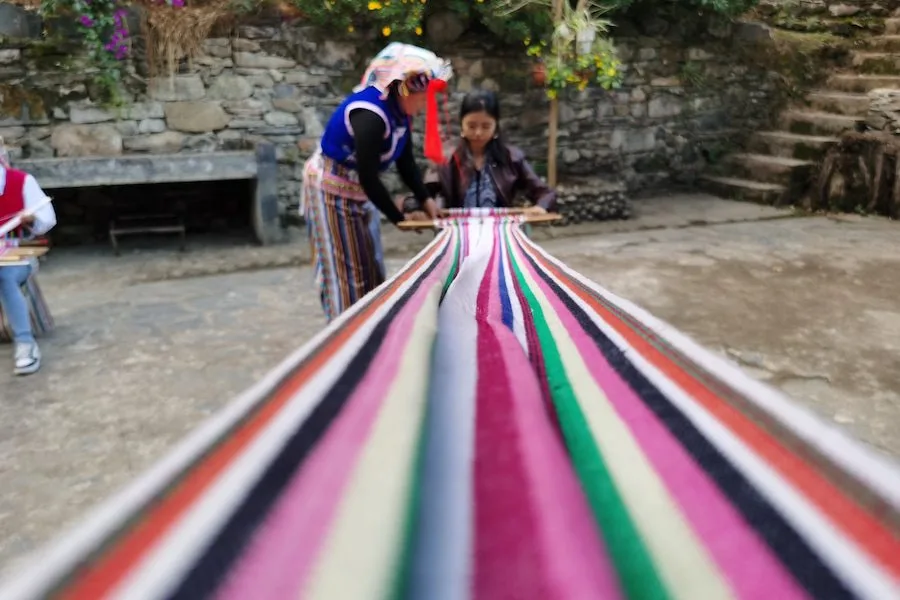
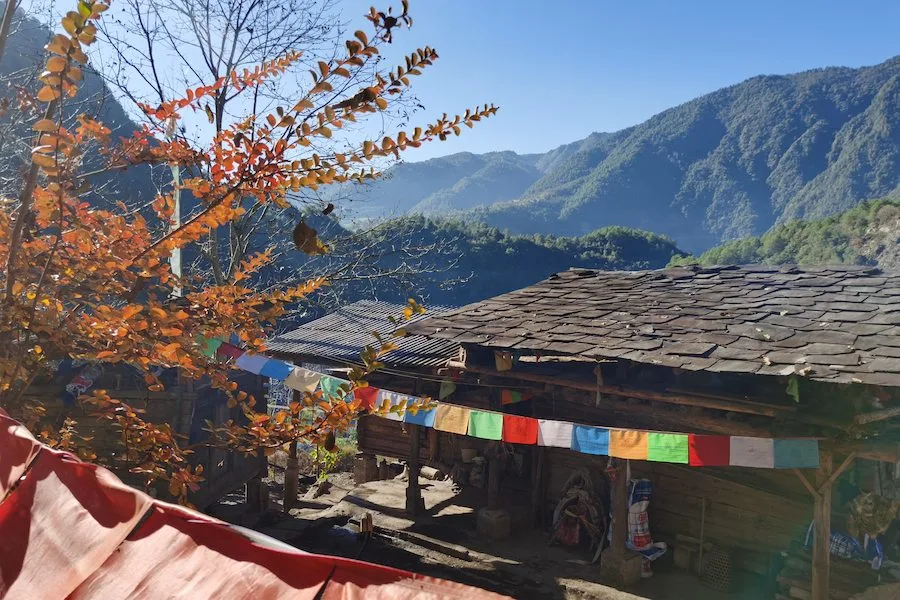
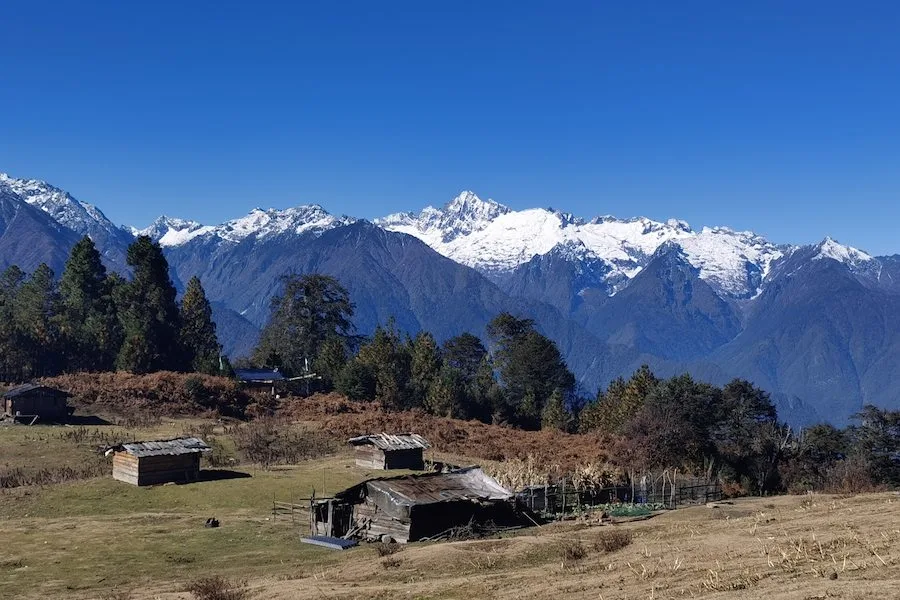
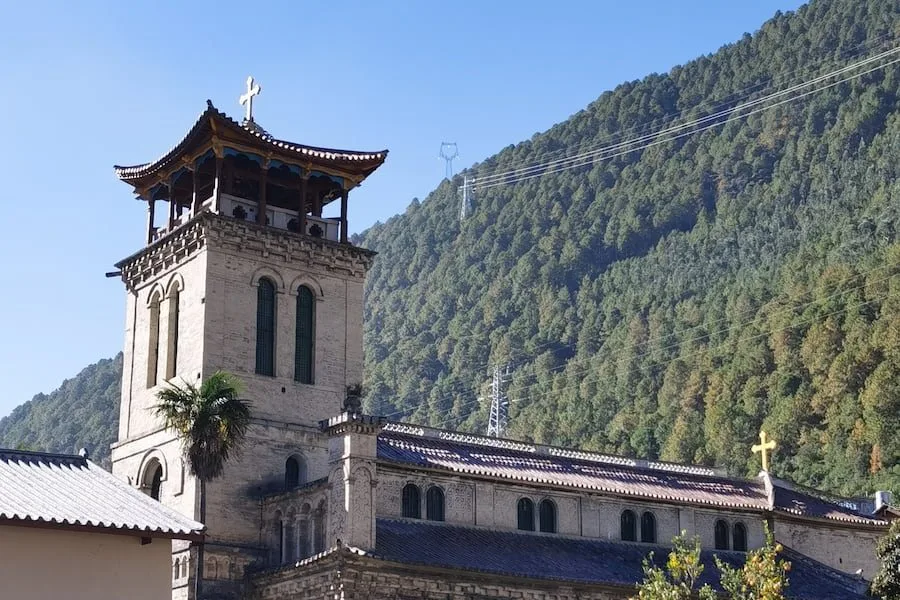
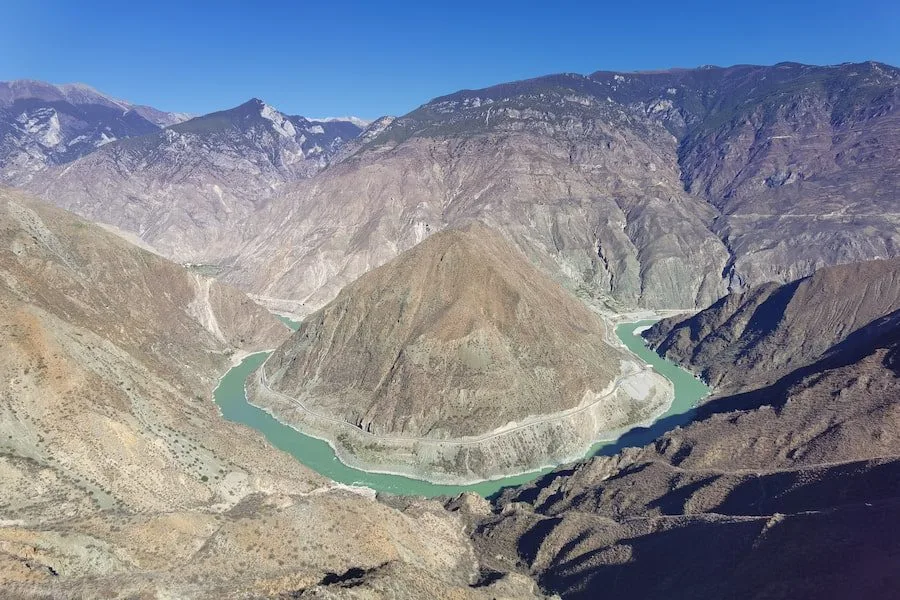
Photos Baoshan City View Bingzhong Luo VillagePhoto by Lucy Liu Blanket Weaving in Wuli Village On the way to ArulakaPhoto by Lucy Liu Arulaka Cizhong ChurchPhoto by Lucy Liu Bend of Jinsha RiverPhoto by Lucy Liu
Details
Seasonal Availability
November – May
What’s Included
- Services of an English-speaking local English-speaking guide
- Accommodation based on double occupancy with breakfasts included
- All overland transfers with private chauffeur and in-transport refreshments
- Private chauffeur service to and from airport at start and end of your trip
- All admission fees and activity expenses, as noted in the itinerary
- Meals as noted in the itinerary with complimentary drinking water
- Service of China Adventure Club Hiking Assistant Team in Day 3-5, as noted in the itinerary
What’s Excluded
- International and domestic flights, domestic trains, plus relevant taxes
- Chinese tourist visa, which is required for most foreign passport holders
- Travel and medical insurance
- Meals, apart from those included in the itinerary, and alcohol
- Expenses of a personal nature
- Excursions and activities not included in the itinerary
- Discretionary gratuities for guides and drivers
TAILOR-MADE TRAVEL
Request This Tour
Tell us your preferred dates, group size, and interests. We will prepare a personal proposal for your China journey.
Request the Tour